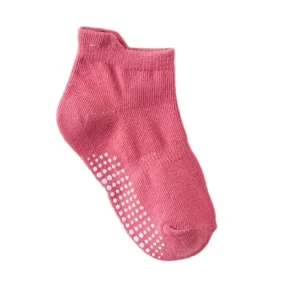
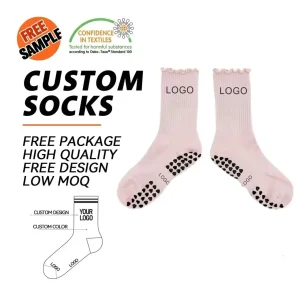
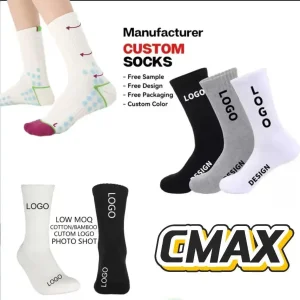
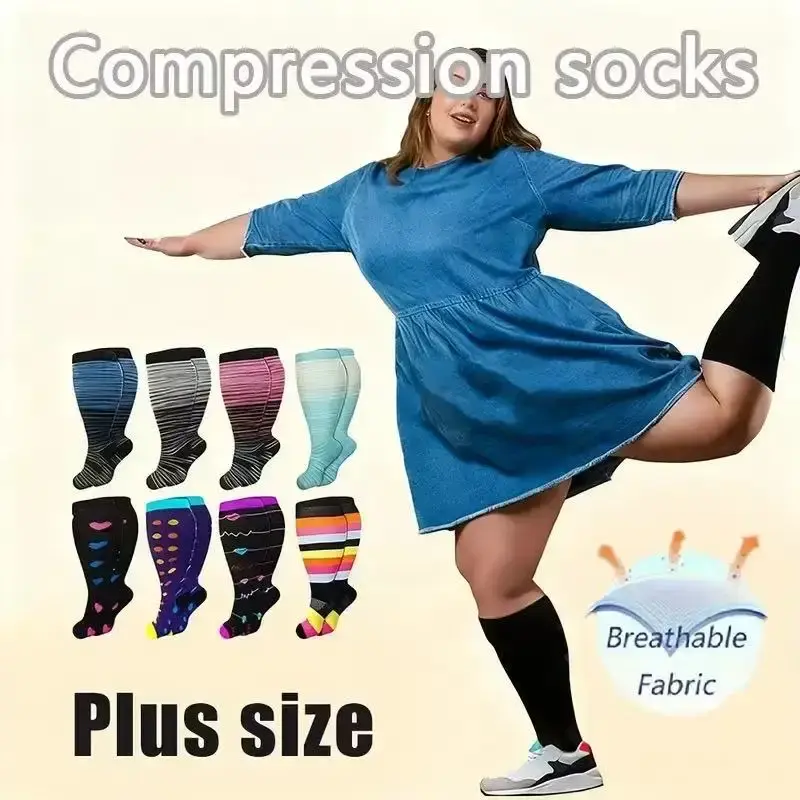
Engineered for high breathability, optimal elasticity, and reliable anti-skid floor safety.
Kaédi, acting as a crucial commercial crossroads and administrative capital of the Gorgol Region in southern Mauritania, presents a unique demographic and industrial landscape for consumer goods. Positioned along the Senegal River, Kaédi's economic foundation is deeply connected to agriculture and regional cross-border commerce with neighboring West African states. However, as the urban population rises and access to regional trading pipelines increases, the demand for specialized, high-quality textile products—particularly baby infants' socks and protective children's wear—has registered steady double-digit growth.
In hot, arid, and occasionally dusty desert climates such as Kaédi’s, baby footwear is not merely a fashion accessory; it is a fundamental hygienic and protective shield. Infants and toddlers require lightweight, breathable cotton knits that prevent sweat accumulation while acting as a barrier against dust-borne pathogens, sand irritation, and heat transfer from flooring. Despite this growing local demand, the Gorgol region relies on external supply chains due to a lack of highly advanced domestic hosiery knitting infrastructures. B2B retailers and distributors within the Kaédi market look toward large-scale manufacturing exporters like Ningbo Cmax-Textile to bridge the gap with robust OEM and ODM solutions.
"A robust textile supply chain targeting emerging hubs like Kaédi must optimize for two core metrics: high fabric breathability to combat dry regional heat, and reinforced, eco-friendly anti-slip safety tracks to protect children on standard domestic ceramic or concrete floor surfaces."
The global hosiery industry has transformed from decentralized, low-technology workshops into hyper-integrated, automated manufacturing ecosystems. Central to this transformation is the deployment of high-efficiency computerized circular knitting machines ranging from 52N to 320N. This advanced machinery allows manufacturers like Ningbo Cmax-Textile to cater to specific regional market demands, adjusting the stitch density and yarn formulations depending on whether the end consumer resides in the damp climates of Northern Europe or the arid climates of West Africa.
For the Kaédi market, import distributors must bypass intermediate brokers to maintain healthy profit margins. Sourcing directly from certified facilities in Ningbo, China—which benefits from deep-water port access and highly integrated yarn supply networks—enables distributors to secure lower unit costs and reliable lead times. The proximity of the Port of Ningbo allows containerized shipments to route smoothly to the Port of Nouakchott, where goods are transported inland to Gorgol’s key trade nodes.
Furthermore, modern compliance standards (such as BSCI and OEKO-TEX) play a pivotal role. As West African consumers become increasingly conscious of infant health and safety, providing verified chemical-free organic cotton baby socks gives local retail brands a powerful competitive advantage.
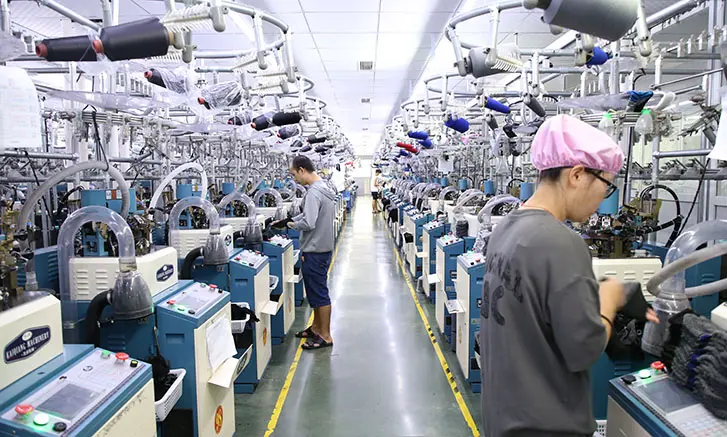
A comprehensive manufacturer profile detailing our capacity, infrastructure, and core certifications.
Established in 2000, Ningbo Cmax-Textile Co., Ltd stands as a premier hosiery manufacturer and exporter, operating from an expansive 20,000 m² production base equipped with over 500 state-of-the-art knitting machines. Our machinery matrix spans from heavy-gauge 52N to ultra-fine 320N configurations, enabling the custom manufacturing of baby socks, thermal leggings, sports crew socks, and fuzzy indoor slippers. With an annual output value exceeding $15 Million, Cmax-Textile manages a vertically integrated system that covers raw material validation, digital knitting, custom silicone dotting for anti-skid safety, packaging design, and global customs clearing support.
Over two decades of structural growth, technological integration, and international trust.
Ningbo Cmax-Textile Co., Ltd was founded with a specialized team, prioritizing high-quality custom hosiery and baby wear for early export markets.
Expanded production capacity to 20,000 m² and introduced computerized 156N–200N knitting machines, significantly improving comfort and lifespan metrics.
Staff grew past 100 employees, managing over 300 active machines to support large-scale OEM/ODM contracts for European and North American retail groups.
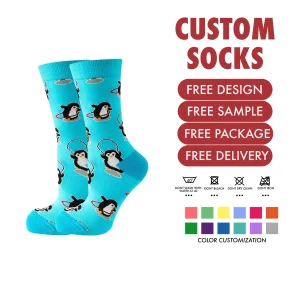
Introduced creative packaging concepts—including sushi, donut, and custom pizza-box socks. These concepts added aesthetic value to retail shelves globally.
Ensured supply chain continuity during global logistics disruptions. Leveraged flexible manufacturing models to maintain on-time deliveries for global partners.
Upgraded our equipment to over 500 machines (52N to 320N), introducing high-definition jacquard designs and advanced anti-slip printing systems.
Annual export value surpassed $15 Million. Broadened our collection with eco-friendly bamboo fibers, recycled polyester, and specialized athletic compression socks.
Celebrating 25 years of hosiery manufacturing. Expanding direct-to-retailer relationships in emerging markets across Africa, the Middle East, and South America.
Industrial-grade baby socks manufacturing requires balancing safety, material durability, and thermal comfort. Unlike adult hosiery, infant socks must adapt to rapid developmental growth, high levels of friction, and very sensitive skin. As a response, Cmax-Textile implements a three-tier material matrix:
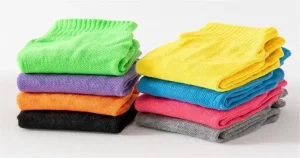
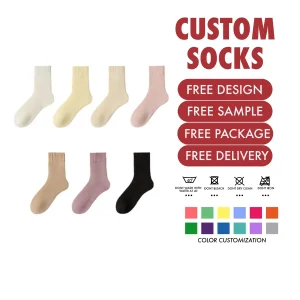
Additionally, our custom OEM/ODM solutions offer full branding adaptability. Kaédi importers can submit custom dimensions, colorways tailored to West African design preferences, and regional packaging options—such as eco-friendly card loops or flat-pack poly bags designed for compact container transit.
Providing verified, third-party audited peace of mind for international trade compliance.
Exporting to diverse regulatory markets requires proactive compliance. Our manufacturing lines undergo annual audits to verify adherence to Disney FAMA, Sedex, and BSCI social metrics. Every batch of baby socks can be shipped with chemical compliance testing reports, proving the absence of azo dyes, formaldehyde, and heavy metals. This compliance framework protects B2B buyers from customs delays, fines, or product recalls, ensuring a smooth path to market.
Looking toward 2025 and beyond, Cmax-Textile is integrating smart manufacturing technology to optimize the B2B sourcing experience. Our current technical roadmap focuses on three main developments:
1. AI-Driven Pattern Design & Prototyping: We are deploying machine-learning algorithms to simulate yarn tension and fit properties on virtual infant feet. This digital approach reduces design revisions from weeks to hours, allowing Kaédi buyers to review hyper-realistic digital prototypes before physical sample runs.
2. Automated Optical Inspection (AOI): Real-time high-speed cameras scan knitting outputs directly on the machines, flagging stitch drops or yarn defects instantly. This continuous quality control ensures our defect rate stays below 0.05%.
3. Eco-Friendly Circular Manufacturing: To meet the growing demand for green textile solutions, we are expanding our use of recycled ocean plastics and certified organic bamboo fibers, helping to reduce the environmental footprint of global shipping.
Essential guidance on minimum order quantities, shipping logistics, and custom manufacturing options.
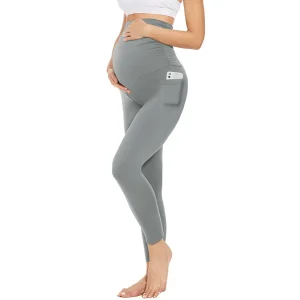
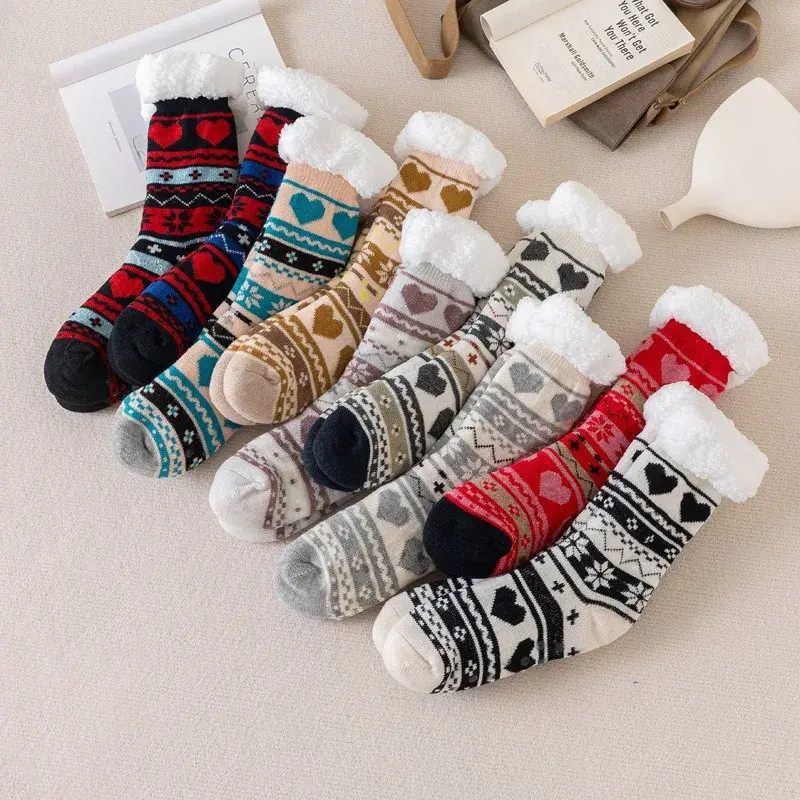
Complete B2B sourcing range including activewear, thermal layers, and seasonal items.
 Cmax Textile