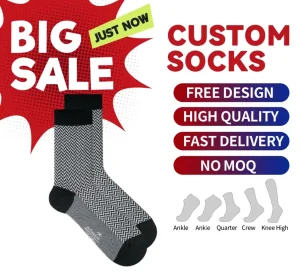
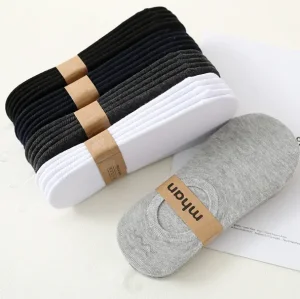
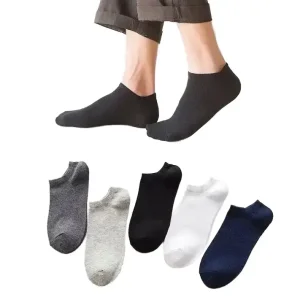
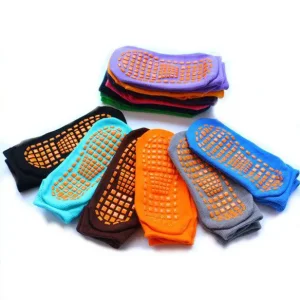
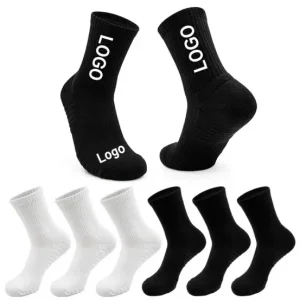
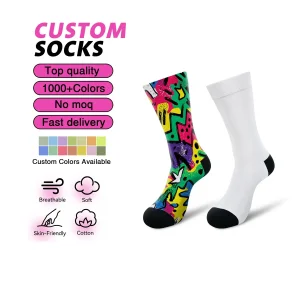
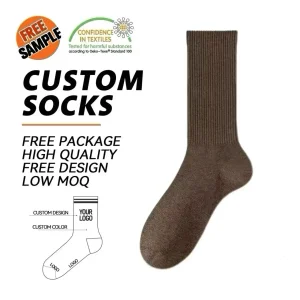
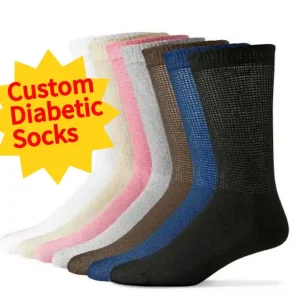
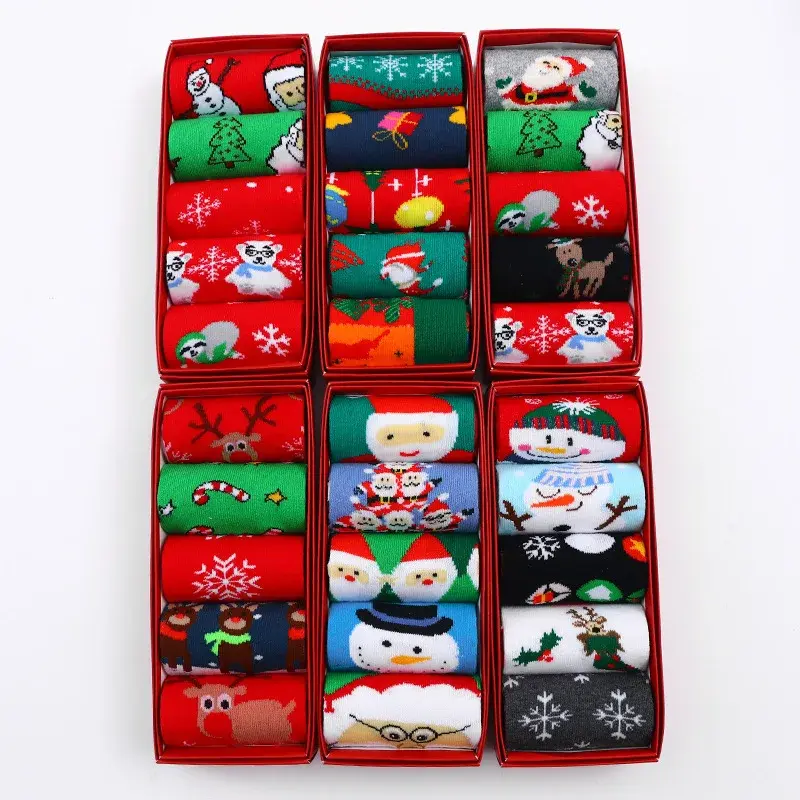
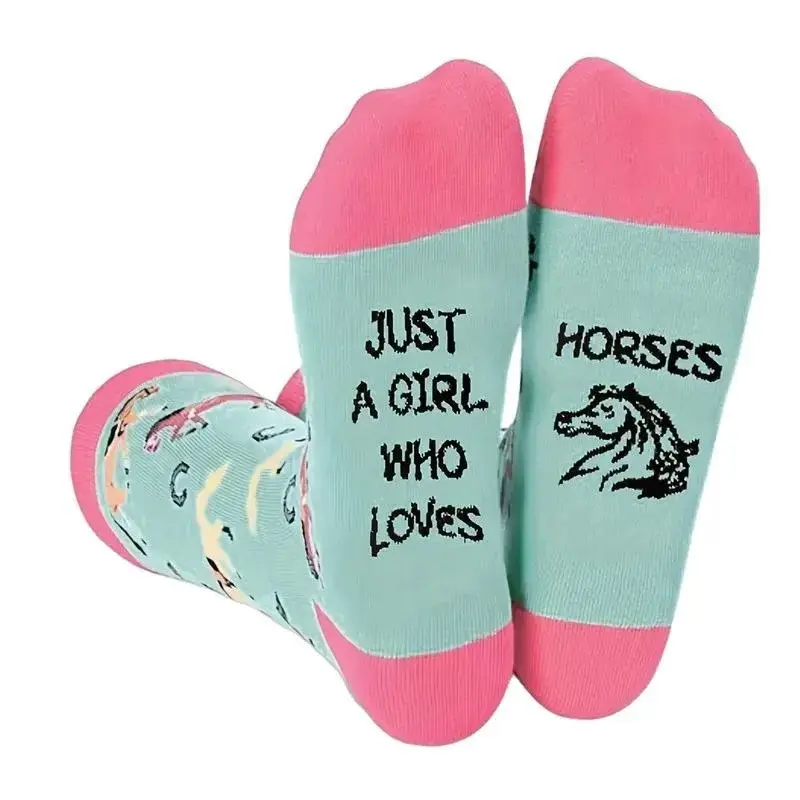
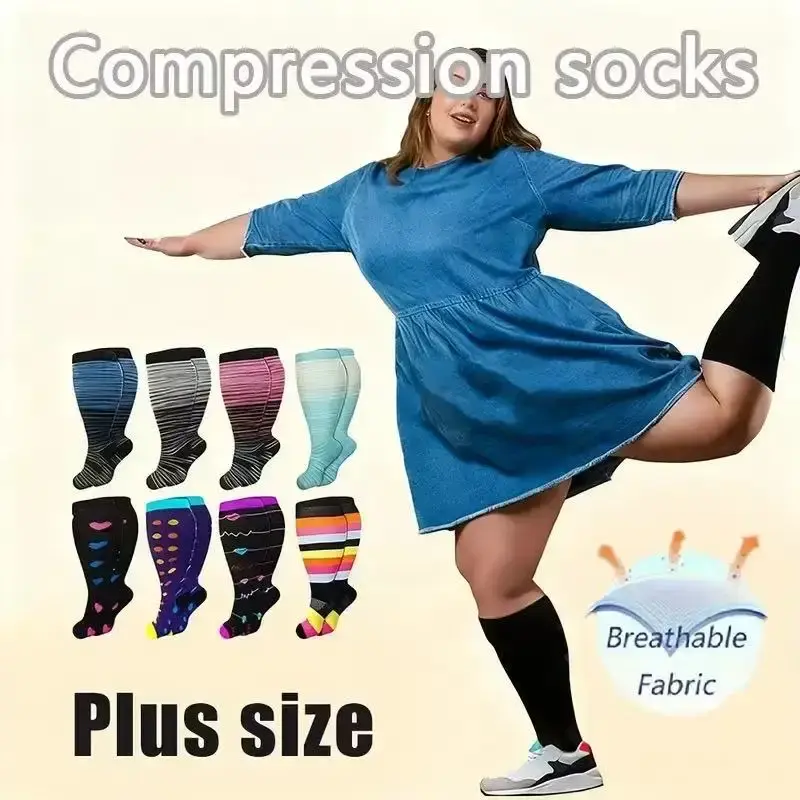
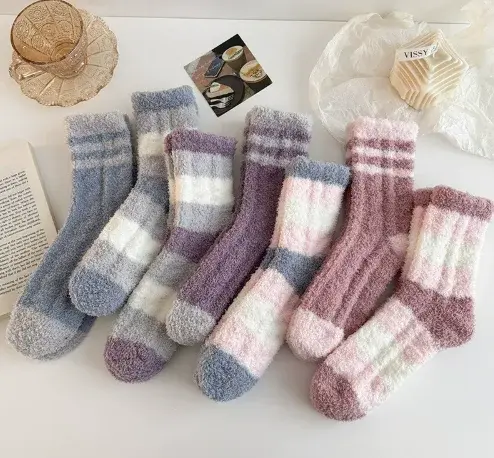
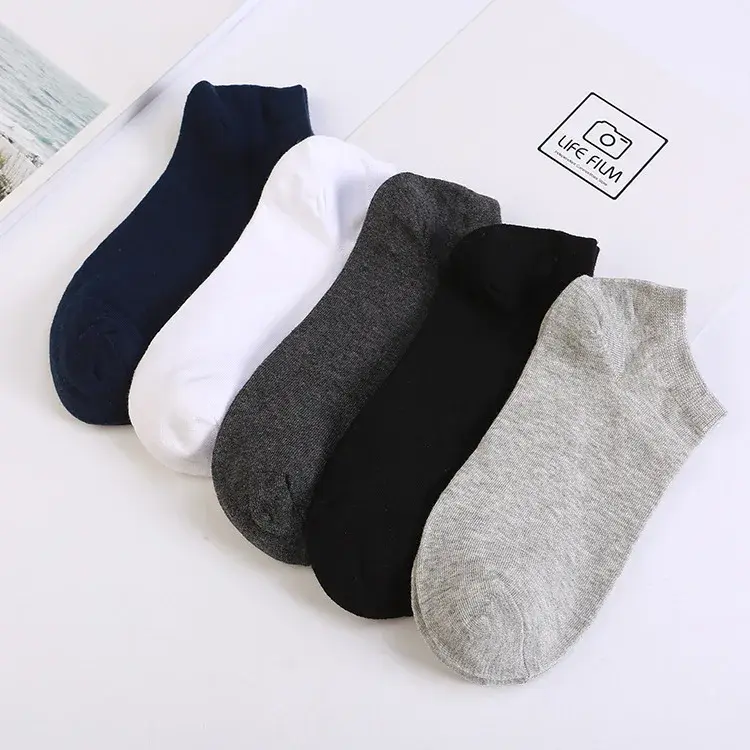
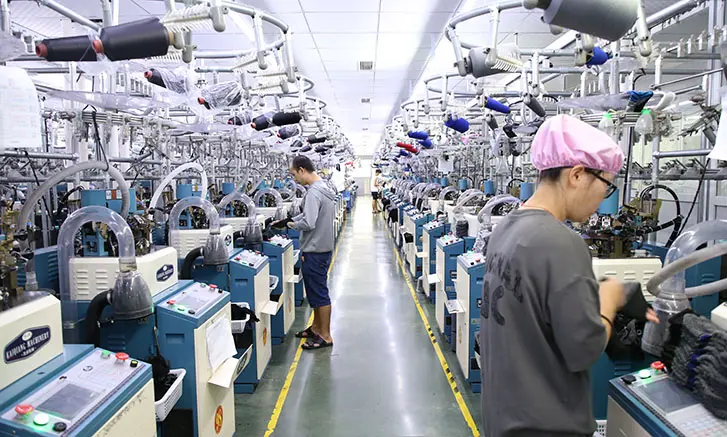
Explore our premium industrial-grade hosiery selection, manufactured with state-of-the-art precision machinery from 52N to 320N.
Ningbo Cmax-Textile Co., Ltd. stands as a premier corporate-class garment accessory producer, exporter, and strategic partner based in Ningbo, one of the most operationally vital deep-water ports globally. For over two decades, we have continuously bridged the gap between raw fiber luxury and high-performance textile engineering.
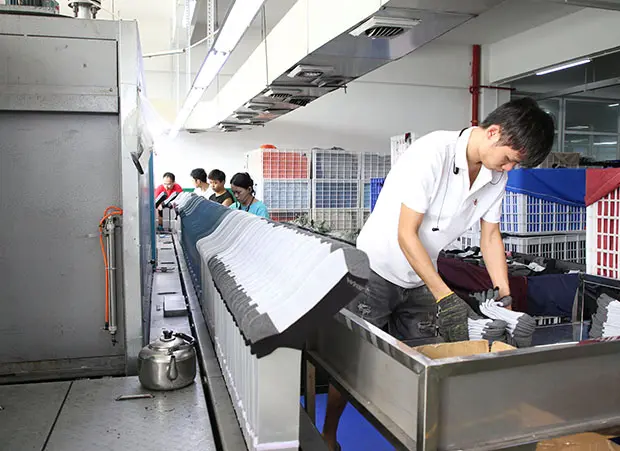
Deploying an expansive facility housing over 500 state-of-the-art knitting machines ranging from 52N to 320N, C-MAX delivers an annual output value exceeding USD $15 Million. We leverage our location to optimize supply chain timelines, offering end-to-end OEM and ODM custom hosiery solutions for premium global retail brands, boutique chains, and mass-market hypermarkets alike.
An Industrial Deep Dive into Yarn Physics, Manufacturing Mechanics, and Macro Supply Chain Strategies
The global luxury sock market is experiencing a profound paradigm shift. Modern consumers no longer view socks as basic utility goods; instead, they represent a convergence of self-expression, lifestyle choice, and dermatological wellness. For corporate buyers, department stores, and high-end fashion labels, sourcing Egyptian cotton socks is a strategic move to capture this growing consumer demographic.
Compared to standard Upland cotton, Egyptian cotton (primarily harvested from the species Gossypium barbadense) features extra-long staple (ELS) fibers, typically exceeding 33 millimeters. This structural advantage translates directly into a higher tensile strength, reduced pilling indices, and an inherently higher dye affinity, ensuring that custom-branded colors remain rich and vibrant even after multiple industrial laundering cycles. By investing in Chinese manufacturing capabilities, global brands achieve an optimal equilibrium between elite raw material status and highly efficient, scalable production lines.
"The core value proposition of Egyptian cotton hosiery lies in its structural integrity. Extra-long staple fibers enable the spinning of ultra-fine, high-twist yarns that withstand the continuous frictional forces of everyday wear without shedding or thinning."
To fully capitalize on the properties of Egyptian cotton, C-MAX employs advanced mercerization technologies. Mercerization involves treating the spun cotton yarn with a highly controlled sodium hydroxide (NaOH) solution under mechanical tension. This process causes the cell walls of the cotton fibers to swell, changing the physical cross-section from a bean-like shape to a round, reflective surface.
| Physical Metric | Standard Carded Cotton (30s - 40s) | Comb-Spun Egyptian ELS Cotton (60s - 80s) | Double-Mercerized Egyptian Cotton (200N Gauge) |
|---|---|---|---|
| Fiber Staple Length | 22mm - 26mm | 33mm - 38mm | 35mm+ (Refined Combing) |
| Tensile Strength (cN/tex) | 18.5 - 22.0 | 28.5 - 34.0 | 38.0 - 45.0 (High Tension) |
| Pilling Resistance Rating | Grade 2-3 (Standard Wear) | Grade 3-4 (Enhanced Stability) | Grade 4-5 (Premium Non-Pilling) |
| Luster & Reflective Index | Matte / Diffuse Reflection | Semi-Gloss / Natural Shine | High Luster / Silk-like Reflective Finish |
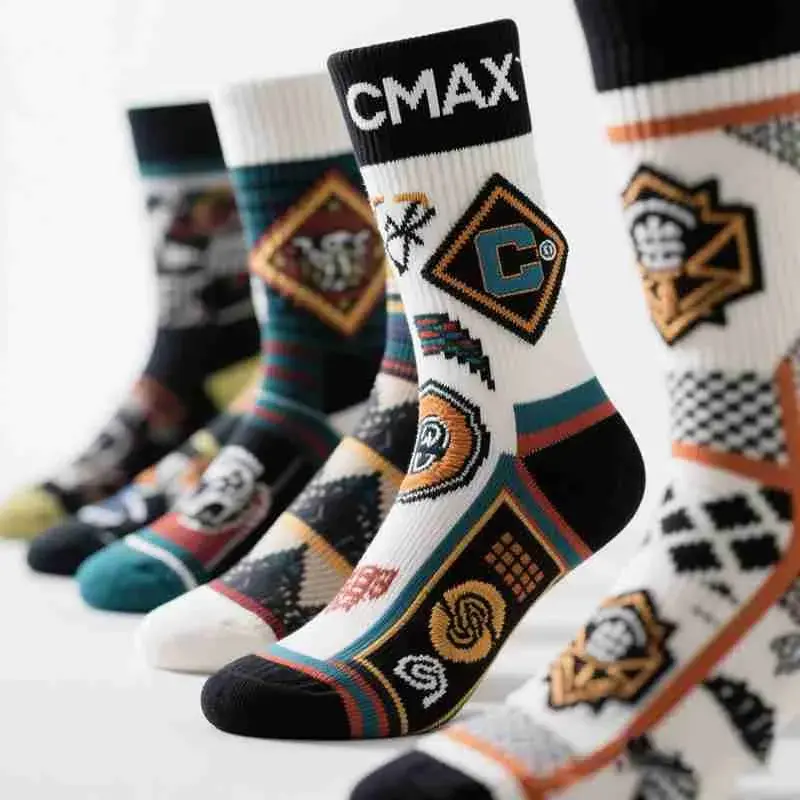
For executive business styles, such as our Wholesale Mercerized Cotton Sock for Men 200N London Style, we utilize a double-mercerization process (mercerizing both the raw yarn and the knitted fabric). This method aligns the micro-fibrils, preventing shrinkage, eliminating fiber fuzz, and yielding an exceptional hand-feel that rivals pure silk while maintaining the natural breathability and moisture-wicking characteristics of premium cotton.
C-MAX's manufacturing plant in Ningbo features a wide range of circular knitting machines. Our machine setup is designed to address a variety of market segments:
Additionally, we offer specialty manufacturing techniques, including hand-linked seamless toes (which eliminate friction across the metatarsal joints) and double-cylinder rib structures that provide uniform compression without leaving elastic marks on the skin.
In the modern retail environment, regulatory compliance and ethical standards are non-negotiable. Sourcing teams must ensure their manufacturing partners adhere to international labor and safety standards. C-MAX is fully audited and certified under key global frameworks, protecting our partners' brand equity:
OEKO-TEX Standard 100: Ensures that every component of the sock—from the mercerized cotton yarns to the elastic threads and dye chemistry—is free from harmful levels of over 100 regulated substances.
BSCI, WRAP & Sedex Audits: Certifies that our Ningbo production lines run under fair wages, safe working environments, regulated working hours, and ethical labor standards.
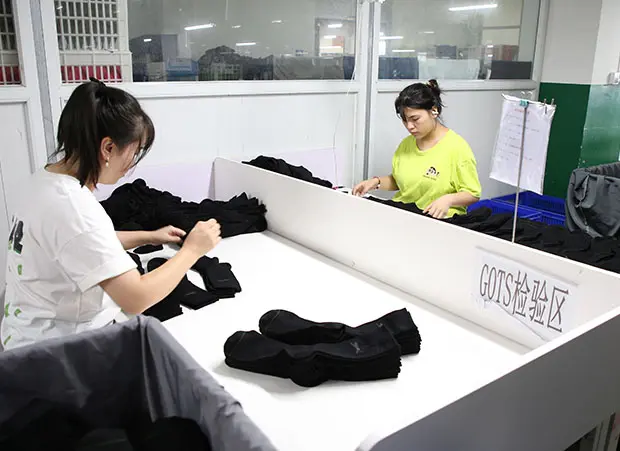
GOTS & OCS: For brands demanding true sustainability, our GOTS-certified organic cotton guarantees ecological farming, complete traceability, and non-toxic processing.
Furthermore, C-MAX supports circular economy models. We process recycled cotton, recycled polyester (derived from post-consumer PET bottles), and Tencel/Modal fibers, allowing our clients to meet strict carbon reduction targets and offer eco-friendly collections.
As hosiery manufacturing advances, C-MAX is integrating digital technologies into our production lines. Our future roadmap focuses on three main developments:
1. AI-Assisted CAD Design & Tension Mapping: By using artificial intelligence to analyze pressure points on the foot, we can adjust knitting patterns dynamically. This allows us to increase yarn count in high-friction areas, such as the heel and toe, while maintaining a lighter, breathable knit across the instep.
2. Digital Positioning & Sublimation Printing: Traditional jacquard weaving can limit complex, photographic patterns. Our digital printing lines enable full-color, high-definition designs on synthetic and cotton-blended socks, with precise color positioning that remains clear even when the sock is stretched.
3. Novelty Structural Packaging: Beyond basic socks, C-MAX has pioneered creative packaging concepts. We shape socks to resemble food items like sushi rolls, pizza slices, burgers, and donuts. These products serve as high-margin gift items, boosting retail engagement and social media visibility for our B2B partners.
A twenty-five year journey of technical evolution, capacity scaling, and global partnerships.
Ningbo Cmax-Textile Co., Ltd. was founded with a dedicated team focused on high-quality socks and hosiery products.
Expanded our factory area to 20,000 m² and introduced new 156N–200N knitting machines, improving durability and comfort for global clients.
Grew to over 100 employees and 300+ machines, diversifying into custom socks, sports socks, and thermal leggings to meet OEM and ODM demands.
Introduced creative packaging designs, shaping socks to look like sushi, pizza, and donuts, which expanded our custom design business.
Maintained consistent deliveries and supported international partners with flexible production and shipping options during global supply chain challenges.
Upgraded to over 500 machines ranging from 52N to 320N, allowing for more precise production across different yarn densities.
Annual output value exceeded $15 million, expanding our line to include Sinosilk-inspired soft socks, performance sports socks, and thermal options.
With 25+ years of experience, CMAX continues to expand its global supply partnerships, showcasing products at international trade exhibitions.
Key technical and logistical information for global B2B procurement professionals.
From functional compression athletic socks to cozy seasonal gift sets, view our full capabilities.
 Cmax Textile