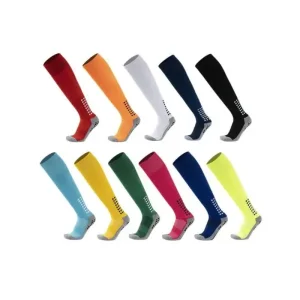
Direct factory access with tailored knitting counts, custom non-slip configurations, and medically compliant designs.
As international trade moves towards environmental compliance, circular economies, and dermatological integrity, the supply chain for wholesale 100% cotton socks has transitioned from a commodity textile to high-spec organic production.
Consumers demand high organic fiber purity to avoid microplastic exposure and skin sensitivities, driving brands to procure GOTS-certified 100% cotton textiles.
Pure cotton fibers optimize natural heat exchange, proving essential in both winter thermal layering and high-temperature athletic environments.
Our plants are structured to adhere directly to European Union and North American strict import criteria covering chemical dyes, trace testing, and carbon footprints.
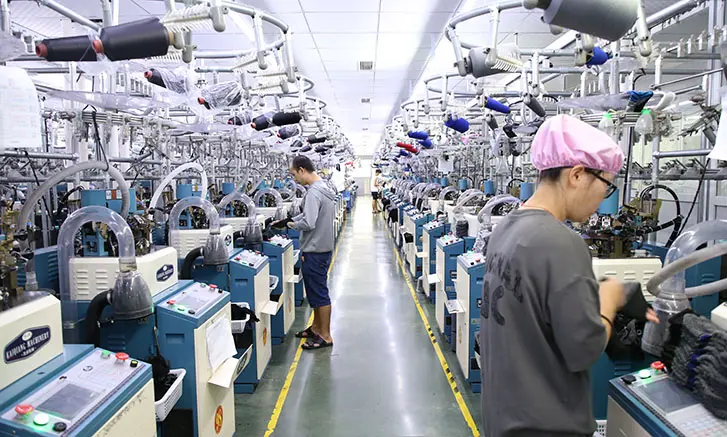
From needle densities (52N-320N) to the optimization of combed versus organic cotton yarn counts, industrial hosiery manufacturing demands absolute technical control.
The needle count within a hosiery cylinder dictates structural properties like weight, stitch density, and visual clarity of the pattern. Coarser counts (52N to 120N) are utilized for heavy-duty winter thermal wear, fluffy home socks, and chunky terry cushions. High-density settings (156N to 200N) serve as the industry benchmark for retail crew socks, sports apparel, and precision jacquard designs.
At the pinnacle of performance, 240N to 320N knitting machines construct thin, premium dress hosiery and highly breathable structures, allowing global brands to meet specific market niches.
Purity and durability are dictated by raw material handling. Carding processes align fibers but retain short fragments prone to pilling and mechanical wear. By utilizing combed cotton, we discard short fibers and impurities, resulting in high tensile strength, smooth surface characteristics, and consistent dye absorption.
How does fabric selection convert to retail and commercial performance? We explore critical physical contexts where 100% cotton socks deliver technical solutions.
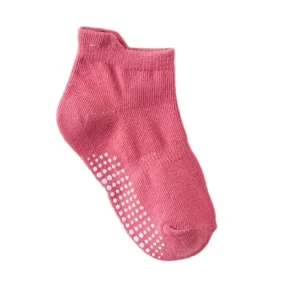
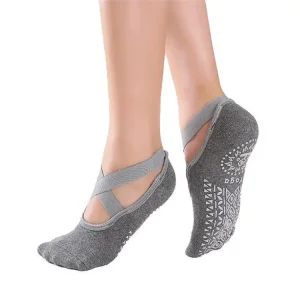
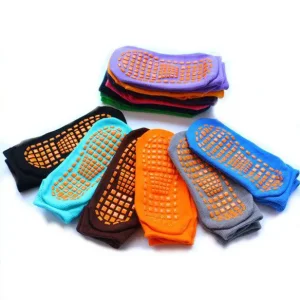
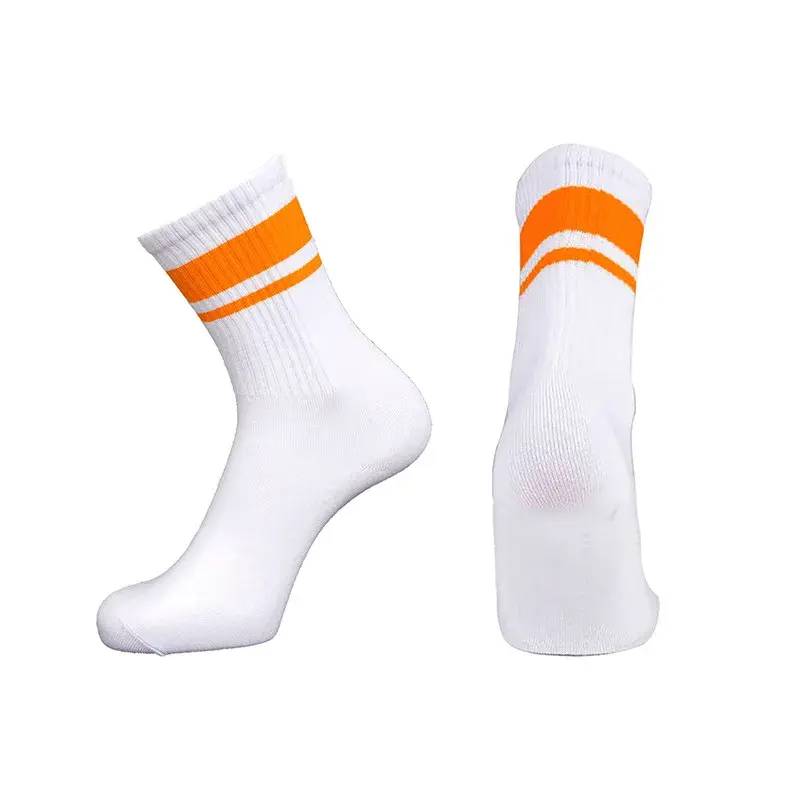
Integrating 100% cotton base matrices with high-friction polymer coatings (silicon/PVC grips) to generate high-grip, moisture-absorbent sports gear for pilates, yoga, and trampoline parks.
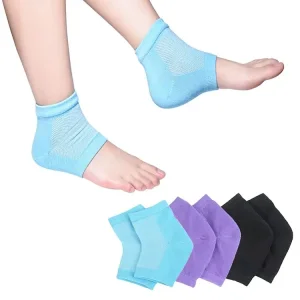
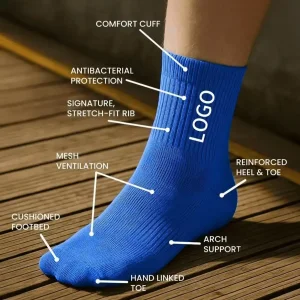
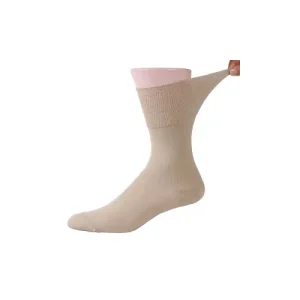
Specially engineered relaxed-cuff designs targeting diabetic and vascular care. The breathable, non-constrictive leg ensures safe blood flow while protecting highly sensitive skin.
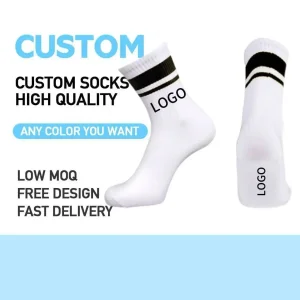
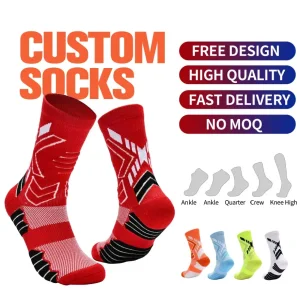
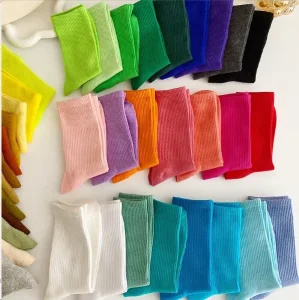
Enabling custom color palettes and intricate patterns through advanced jacquard programming, delivering bright colors and clean design lines for modern streetwear brands.
Strategically based in Ningbo, one of the world's premier shipping hubs, CMAX leverages immediate proximity to marine deep-water terminals. This cuts inland transit delays and facilitates direct access to global shipping lanes, optimizing logistics costs and cutting transit times to North American and European hubs.
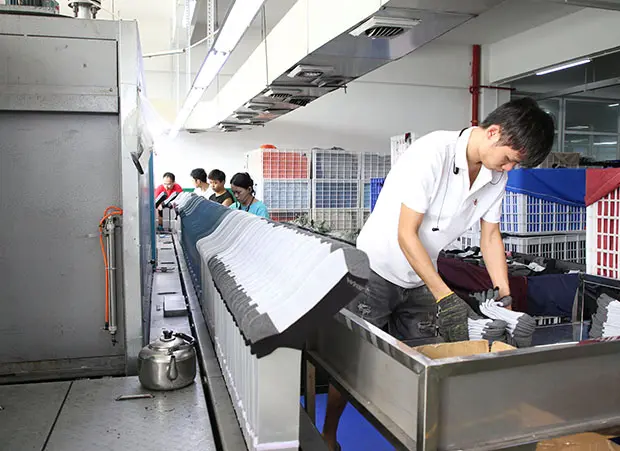
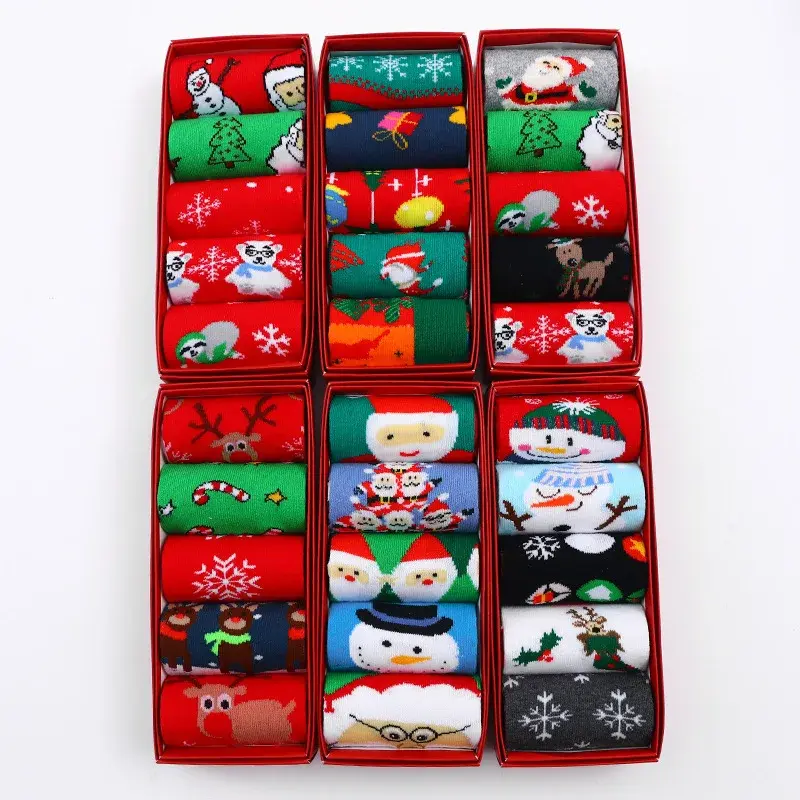
Operating over 500 advanced knitting units, our vertical system spans design, custom prototyping, yarn sourcing, knitting, inspection, and specialty retail packaging. This structure ensures that every product, whether custom sports apparel, fuzzy holiday stockings, or thermal tights, maintains strict quality control.
By consolidating raw materials directly from audited mills, we control color matching, fabric safety, and production speed, offering global distributors reliable volume lead times.
How CMAX is adapting to digital shifts and strict global environmental guidelines over the next decade.
Integrating certified organic cotton with recycled polyester and bio-degradable elastic fibers to build long-lasting, recyclable garment shapes.
Integrating digital CAD layout optimization to reduce yarn waste at the knitting stage, ensuring efficient material usage across all production lines.
Installing real-time monitoring across all 500+ machines to detect needle faults, analyze yarn tension, and ensure consistent quality at scale.
A quarter-century of technical growth, capacity expansion, and customer-first services.
Foundation: Ningbo Cmax-Textile Co., Ltd established a specialized facility, starting with a core team focused on high-durability hosiery and basic apparel accessories.
Scale Expansion: Expanded industrial plant footprint to 20,000 square meters, deploying advanced 156N and 200N automated knitting machines to enter international wholesale markets.
OEM/ODM Customization: Scaled staffing beyond 100 specialists. Opened dedicated custom design studios for sports, medical, and specialized thermal wear markets.
Creative Hosiery Designs: Launched custom packaging concepts, transforming socks into sushi, pizza, and donut-themed designs. These creative projects highlighted our passion for innovation and attracted global attention.
Supply Chain Resilience: Ensured continuous global distribution throughout international supply disruptions, honoring delivery deadlines via flexible manufacturing programs.
Machine Infrastructure Upgrade: Fleet size expanded to 500+ machines, handling technical structures from 52N to 320N with high quality consistency.
Market Value Milestone: Annual output value exceeded $15 Million. Launched dedicated ecological lines using organic cotton, bamboo, and wood-derived fibers.
Global Future Growth: Strengthening sustainable production capacities with low MOQs and rapid delivery, empowering eco-conscious brands worldwide.
We secure your brand against supply chain risks. Our facilities undergo continuous third-party audits to guarantee technical, environmental, and ethical compliance.
Our chemical dye processes strictly follow GOTS and OEKO-TEX Standard 100 protocols to eliminate harmful auxiliary agents, formaldehydes, and heavy metals. This ensures safety for infants and individuals with sensitive skin.
For our retail partners, we offer custom packaging and retail-ready displays. This enables wholesale distributors to transition smoothly from factory receiving to retail shelves.
Clear answers regarding technical parameters, ordering procedures, and custom operations.
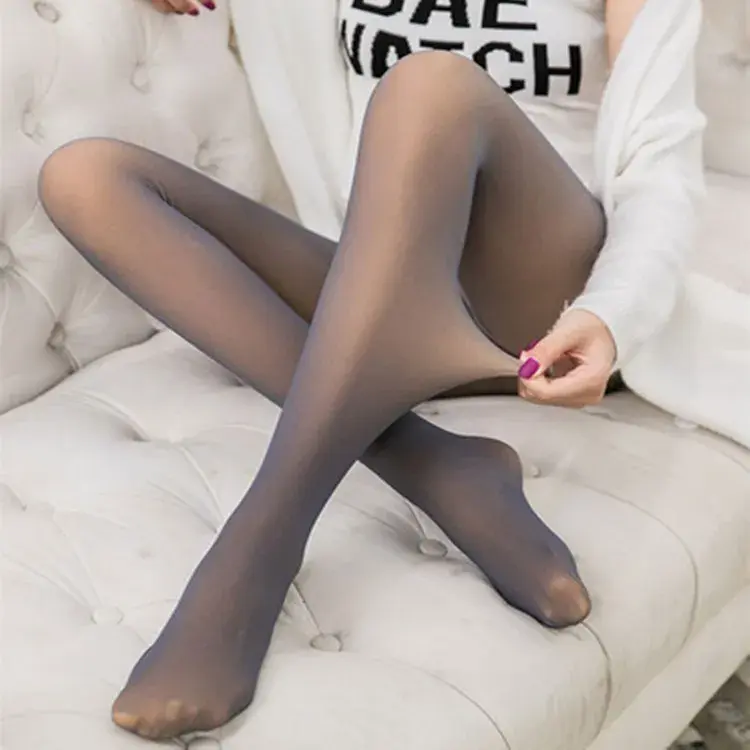
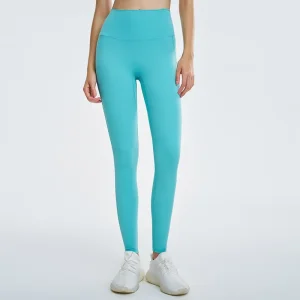
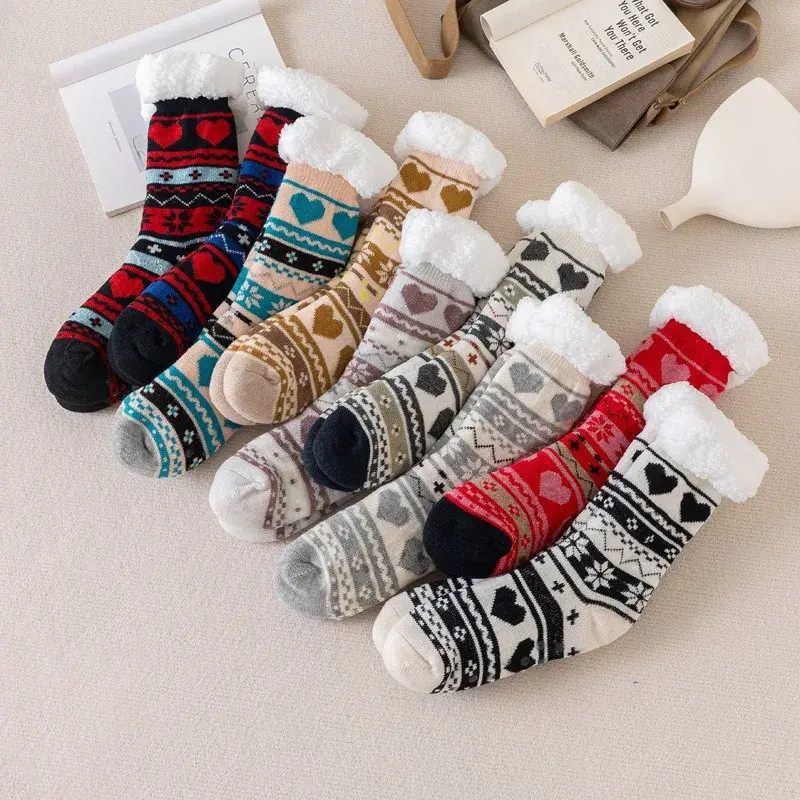
Complete seasonal lines, plush winter slippers, thick athletic structures, and technical leggings.
 Cmax Textile