What Are Crew Ankle Socks?

Time:2026-11-14 Author:Aria
0%

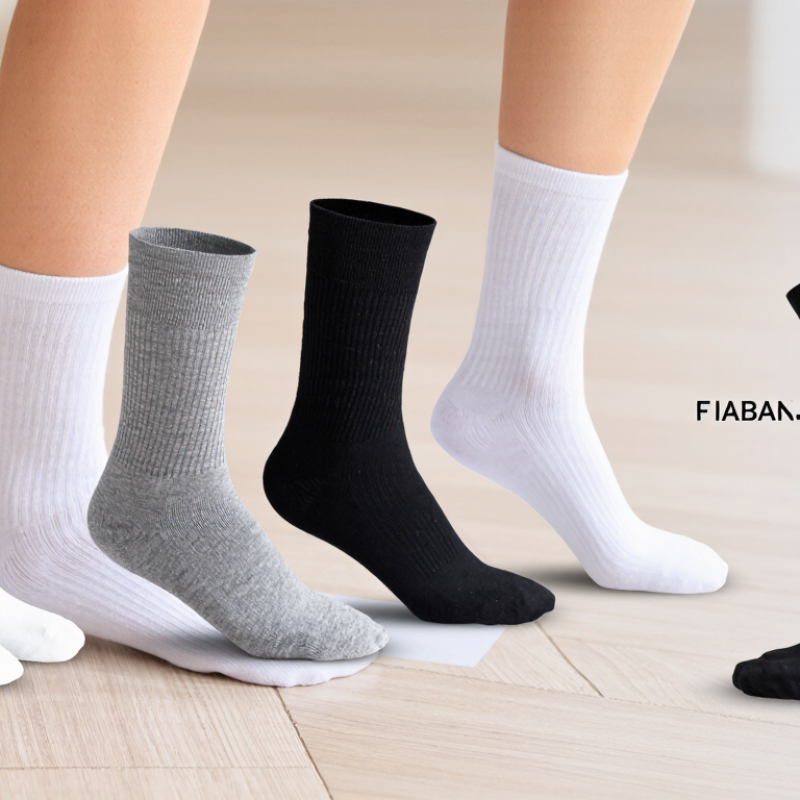
Crew ankle socks sit between low-cut no-show socks and taller crew socks, though the label can vary by brand. They usually cover the ankle bone or rise just above it, creating a visible band between shoe and lower leg. A few details matter. Check the product’s stated height, since “ankle” is not a perfectly consistent measurement across retailers.

For everyday wear, this profile can pair neatly with sneakers, walking shoes, or casual boots with a lower collar. The cuff may help keep the sock from slipping into a shoe, while a shaped heel and smooth toe seam can improve comfort. Fit still depends on foot shape, shoe construction, fabric, and personal preference. A sock that feels secure in one sneaker may rub under another. That is worth checking. Try them with the shoes you wear most, then walk indoors and notice pressure at the cuff, heel, and toes.

Common materials include cotton blends, polyester, nylon, and elastane. Each offers a different balance of softness, drying time, stretch, and durability; no fiber guarantees comfort on its own. Look for clear sizing, fabric percentages, care instructions, and construction details rather than relying only on lifestyle photos. If you have sensitive skin or need specific support, consult a qualified professional and review the product information carefully. Crew Ankle Socks are a simple wardrobe choice, but the best pair is the one that fits your shoes, routine, and comfort needs—not merely the one with the most appealing name.
What Are Crew Ankle Socks?

Definition and Key Features of Crew Ankle Socks

Crew ankle socks sit between low-cut ankle socks and traditional crew socks, though retailers do not use the term consistently. They usually rise above the ankle bone, with some styles reaching the lower calf. Check the measured cuff height, not just the label. A ribbed cuff helps hold the sock in place, while a reinforced heel and toe can reduce wear in high-friction areas. The upper may be lighter knit for airflow; the sole may use denser cushioning. Fit matters. A loose heel can bunch inside a shoe.

Grand View Research’s 2023 socks market report estimated the global market at USD 42.2 billion in 2022 and forecast 6.4% annual growth from 2023 to 2030. That figure covers socks broadly, not crew ankle socks alone. It does, however, show a large category where small construction details matter to shoppers. Fiber content also affects feel: cotton blends often feel familiar, while synthetic fibers can help manage moisture during active wear. No blend guarantees comfort for every foot.

Tips: Measure from the heel to the cuff, then compare with the product’s size chart. Try the socks with your usual shoes. A cuff that looks right on the shelf may feel tight after a full day.

How Crew Ankle Socks Differ from Other Sock Heights

“What Are Crew Ankle Socks?” describes a hybrid label, not a universally fixed sock height. Ankle socks usually sit below the ankle bone, leaving most of it exposed. Quarter socks rise above the bone and cover it. Crew socks extend farther, commonly reaching the lower calf. Exact lengths vary by cut and manufacturer, so the name alone can mislead.

That distinction matters. A low ankle sock may disappear inside a shoe, while a quarter sock can protect the heel collar from rubbing. Crew height gives more coverage against a boot or a chilly breeze. Check where the cuff lands on your own leg, not just the product label. Textile Exchange’s Materials Market Report 2024 estimates global fiber production reached 124 million tonnes in 2023; that figure describes the wider textile supply, not sock-height standards. It’s useful context for comparing fiber choices, but it cannot tell you how high a sock will sit. The boundary is fuzzy. I would treat “crew ankle” as a seller’s descriptive phrase and inspect the stated cuff height or product measurements before buying.

What Are Crew Ankle Socks? — How Crew Ankle Socks Differ from Other Sock Heights

Sock height Approximate height above heel Typical coverage Common uses How it differs
No-show Usually below or around the ankle opening Mostly hidden inside a low-cut shoe Low-top sneakers, loafers, and shoes where a barely visible sock is preferred Provides the least visible coverage; it is shorter than ankle, quarter, and crew socks.
Ankle Typically reaches the ankle or sits just above it Covers the foot and the area around the ankle Running, gym workouts, and everyday wear with low-top shoes Offers more coverage than no-show socks but usually less than quarter or crew socks.
Quarter Often about 2–4 in (5–10 cm) Extends above the ankle bone and may cover the lower Achilles area Training, hiking, and wearing with sneakers or shoes that need extra ankle coverage Sits between ankle and crew height; the cuff is generally lower than a crew sock.
Crew Often about 6–8 in (15–20 cm) Usually reaches the lower to mid-calf, depending on the wearer and sock design Everyday wear, athletic activities, boots, and cooler weather Has a noticeably taller leg than an ankle sock and typically covers more of the lower leg.
Mid-calf Generally reaches around the middle of the calf; exact height varies Covers more of the calf than most crew socks Dress wear, uniforms, and outfits that call for a taller sock Usually rises higher on the calf than a standard crew sock.
Knee-high Extends to just below the knee; length varies by leg size Covers most of the lower leg from the foot to below the knee Uniforms, cold-weather wear, and selected sports or medical uses Provides substantially more leg coverage than crew, ankle, or quarter socks.
“Crew ankle” No standard height; the phrase combines two different height labels Depends on the product description and where its cuff sits Check the stated cuff height or product measurements before choosing “Crew” and “ankle” normally refer to different sock heights, so “crew ankle” is not a universally standardized category.
Height ranges are approximate: sock-length terms are not standardized across all manufacturers, and fit, leg length, and construction affect where a cuff sits. For a precise comparison, measure from the heel to the top of the cuff.

Materials and Construction

Crew ankle socks sit higher than low-cut socks, usually covering the ankle and reaching toward the lower calf. The exact height varies by pattern, so the label alone may not tell you how much skin they cover. A ribbed cuff helps hold the sock in place without needing a tight, uncomfortable grip. Small differences matter.

The yarn blend shapes how the socks feel during a day of walking. Cotton can feel soft against the skin, but cotton-rich fabric may stay damp longer after sweating. Polyester often helps fabric dry faster, while nylon can add durability in areas that rub against shoes. A small amount of elastane gives the knit stretch and helps it recover its shape. No blend is perfect.

Construction matters, too. A finer knit can fit neatly inside close-fitting shoes, while thicker cushioning may soften pressure under the heel and ball of the foot. Reinforced heel and toe zones can help resist wear, though reinforcement may make those areas feel warmer. Look for smooth toe seams if bulky stitching tends to irritate your toes. Wash and wear still reveal the truth. A sock that feels sturdy in the package may loosen or pill over time, so comfort is partly a matter of personal testing.

Common Uses and Styling

The term “crew ankle socks” can be used loosely, so check the sock height rather than relying on the label. Crew socks usually rise above the ankle, often reaching the lower calf. They suit everyday wear, walking, and light exercise because they cover more skin than no-show socks. That extra fabric can help reduce rubbing from a shoe collar. Small detail, real difference. For a long day on your feet, look for a smooth toe seam and a cuff that stays up without pinching.

Styling depends on how visible you want the socks to be. Wear white or neutral pairs with sneakers, straight-leg jeans, and cropped trousers for an easy, casual look. Ribbed socks can add texture beside loafers or boots, while a color that echoes a shirt or bag creates a quiet link. For workouts, choose a breathable fabric and a secure fit; bunching inside a shoe gets annoying fast. I’d avoid treating every outfit rule as fixed. A contrasting sock can look deliberate, but it may draw attention to the ankle more than expected. Try it with the full outfit in natural light.

How to Choose the Right Pair

What Are Crew Ankle Socks?
How to Choose the Right Pair

The name can be confusing because sock lengths are not always described consistently. Check where the cuff sits: ankle-height styles end near the ankle bone, while crew socks rise farther up the lower leg. If you are shopping online, look for a side-view photo or a measurement from heel to cuff. Labels alone can be misleading.

Start with fit. The heel pocket should stay in place, and the toe seam should not press against your toes. Fit matters most. For warm days or sweaty workouts, lightweight, breathable fabric can feel less clammy. For cooler weather, a thicker knit may add comfort, though it can crowd snug shoes. Consider the activity, too: a cushioned sole can help during long walks, while a thinner sock may suit close-fitting footwear. Small detail, big difference.

Check the cuff gently. It should stay up without leaving a deep mark. If it slips during a short walk around the room, it may keep slipping outside. I would not choose solely by fabric claims; construction and fit matter just as much. One more practical check: wash a pair as directed before buying several. Socks can change shape, and even careful shoppers sometimes guess wrong.

What Are Crew Ankle Socks? — How to Choose the Right Pair

Crew socks rise above the ankle, typically to the lower or mid-calf. When choosing a pair, consider the shoe, desired coverage, fit, and fiber. The chart compares typical moisture regain—the amount of moisture a fiber absorbs from the air under standard conditions.

How to use this: Wool absorbs more moisture by weight than the other fibers shown; polyester absorbs very little. Moisture regain is a fiber property, not a direct measure of sweat-wicking or drying speed. Actual sock performance varies with yarn, fabric construction, and fiber blends.

FAQS

What are crew ankle socks?

They sit between low-cut ankle socks and traditional crew socks. Most rise above the ankle bone, but some reach the lower calf.

How can I check the sock’s height?

Measure from the heel to the cuff, or check the product’s size chart. A side-view photo can help. Labels can mislead.

What should a good fit feel like?

The heel pocket should stay in place, and the toe seam should not press. A loose heel may bunch inside your shoe.

How should the cuff fit?

It should stay up without leaving a deep mark. Try walking around briefly; a slipping cuff may keep slipping.

Which fabric works for warm days?

A lightweight, breathable fabric may feel less clammy during warm weather or workouts. No fiber blend suits every foot.

Are thicker socks better for cold weather?

A thicker knit may feel warmer. It can also crowd snug shoes, so check the fit before wearing them all day.

Should I choose cushioned or thin socks?

A cushioned sole may help on long walks. A thinner sock can suit close-fitting footwear. Small detail, big difference.

Can socks change shape after washing?

They can. Wash one pair as directed before buying several; I have guessed wrong about fit before.

Conclusion

Crew Ankle Socks are a versatile sock style that typically rises above the ankle and covers part of the lower calf. Their height offers more coverage than no-show or ankle socks while staying shorter than traditional crew socks. Depending on the design, they may feature a ribbed cuff to help them stay in place, a cushioned sole for comfort, or reinforced areas at the heel and toe for everyday wear.

These socks can be made from cotton, synthetic fibers, wool, or blends, each offering different levels of softness, stretch, warmth, and moisture management. They work well for casual outfits, walking, and many everyday activities, pairing easily with sneakers and other low-cut shoes. To choose a suitable pair, consider the shoe height, desired coverage, climate, activity, and fit. A comfortable cuff, breathable fabric, and appropriate cushioning can help make them a practical choice for regular use.


Aria

Aria

Aria is a dedicated marketing professional with a deep passion for innovative strategies and a keen understanding of our company's product offerings. With a wealth of experience in the industry, Aria excels at crafting engaging content that highlights the unique features and benefits of our......