Buying Fuzzy Socks wholesale looks simple until small details affect comfort, cost, and customer trust. A soft pair may feel perfect in a sample, yet lose shape after washing. The fibers may shed. The colors may also differ between production batches. These issues can damage reviews and create avoidable returns.
This guide examines ten practical tips for choosing dependable wholesale suppliers. It considers fabric composition, knitting density, size accuracy, seasonal designs, minimum order quantities, and packaging. It also explores sample testing, supplier communication, production timelines, and shipping costs. A reliable buyer should request material specifications and confirm whether the socks contain polyester, nylon, spandex, or recycled fibers. Clear records matter.
Check the cuffs and seams closely. They reveal workmanship.
A useful sample test includes washing, stretching, and wearing each pair with common footwear. Inspect the sole after repeated use. Compare colors under natural light, not only showroom lighting. Price deserves attention, but the cheapest offer can hide weak construction, inconsistent sizing, or expensive freight. That mistake is easy to make.
Wholesale buyers should also review supplier credentials, quality-control procedures, labeling details, and applicable product-safety requirements in their target markets. Written agreements can clarify tolerances, replacements, packaging, and delivery dates. Still, no checklist removes every risk. Customer preferences change, and a popular pattern can become difficult to sell after one season. Careful buying means balancing evidence with judgment, while leaving room to improve after each order.
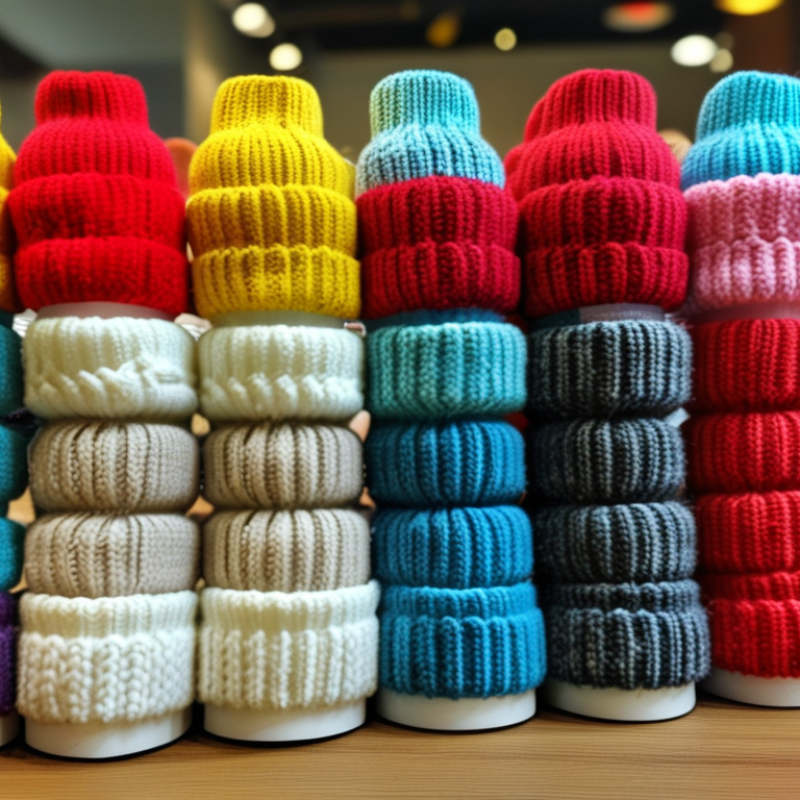
Tip 1: Define your customer before choosing fuzzy socks wholesale. A winter gift shop may need cheerful colors, while a spa may prefer calm tones and softer packaging. Consider customer age, climate, typical budget, and preferred sizes. These details shape your order more than personal taste.
Tip 2: Calculate your wholesale needs carefully. Estimate weekly sales, seasonal demand, storage space, and acceptable minimum order quantities. Order samples first. Check softness, elastic strength, stitching, lint, and grip quality after washing. I once underestimated holiday demand and reordered too late. That mistake still influences my planning.
Tip 3: Match product details with your sales channel. Online buyers may need clear size charts and close-up fabric photos. Physical stores may value hanging tags and compact packaging. Ask suppliers about material composition, carton dimensions, lead times, and inspection procedures. Request written specifications, not casual promises. Reliability matters.
Your target customer should guide every purchase decision. Teens may prefer bright patterns, while older shoppers may choose neutral colors and wider cuffs. Test a small selection with real customers before committing to larger quantities. Feedback can be uncomfortable, but it reveals what assumptions miss.
Buying fuzzy socks wholesale requires more than choosing the softest pair. In my sourcing experience, fiber content strongly affects comfort, durability, and pricing. Polyester offers warmth and shape retention, while cotton can improve breathability. A small amount of elastane helps the cuff stay secure without feeling tight. Check the material label carefully. Some thick-looking socks contain loose fibers and wear quickly after washing.
Request samples before placing a large order. Rub the inner lining against your wrist to detect rough yarns or hard seams. Try the socks with common shoe sizes, because excessive fluff can reduce available space. Inspect the heel and toe stitching closely. These areas often reveal weak construction first. A practical wash test is essential: wash samples several times, then measure shrinkage, shedding, and softness. My own evaluations are not always perfect, since different machines produce different results. That limitation deserves attention.
Seasonal suitability also affects wholesale value. Dense fleece works well for cold bedrooms and winter gift sets. Lighter fuzzy knits may suit autumn, spring, or air-conditioned offices. Avoid heavy insulation for humid climates, where trapped moisture can make feet uncomfortable. Consider colors and patterns that match seasonal demand without creating excess inventory. Ask suppliers about thickness, drying time, packaging, and consistent sizing. A detailed product sheet helps, but physical inspection remains more reliable. Even a comfortable sample may not represent every production batch, so random quality checks should continue.
Typical material performance on a 1–5 scale, based on common fiber characteristics. Higher scores indicate better suitability for the listed buying factor.
Buying insight: Polyester and acrylic offer strong softness, warmth, and durability for economical wholesale programs. Wool blends are warmer and more breathable for winter collections, while cotton blends are generally better suited to mild seasons.
10 Tips for Buying Fuzzy Socks Wholesale
Compare Suppliers, Minimum Orders, Pricing, and Product Quality
When buying fuzzy socks wholesale, supplier comparison should begin beyond catalog photos. Ask about factory location, production capacity, material details, and recent quality records. Request samples from the same batch planned for bulk production. Small differences matter. Check softness, elastic recovery, loose fibers, heel alignment, and odor after unpacking. A beautiful sample proves little if the supplier cannot repeat it. Clear communication is evidence of reliability.
Minimum order quantities can change the real cost quickly. Confirm whether the MOQ applies per design, color, size, or total order. A low price may require hundreds of pairs in one color, creating slow-moving inventory. Ask about mixed-size cartons and flexible trial orders. These options may cost slightly more but reduce storage pressure. I once focused too heavily on unit price and underestimated packaging and freight. That was an expensive lesson.
Compare pricing through a landed-cost sheet, not a quotation alone. Include sampling, packaging, shipping, inspection, and possible defect allowances. Request a written specification for fiber content, sock weight, dimensions, and stitching standards. A simple wash test can reveal pilling, shrinking, or fading before customers do. Keep inspection photos and approval records. Even experienced buyers miss details when deadlines feel urgent. Leave time for corrections, especially before seasonal demand rises.
| Tip | Buying Dimension | What to Compare | Practical Benchmark or Typical Range | Quality and Cost Check | Questions to Ask the Supplier |
|---|---|---|---|---|---|
| 1 | Compare fiber composition | Polyester, acrylic, nylon, elastane, and blended constructions | Common fuzzy-sock blends contain a soft synthetic main fiber with approximately 1–5% elastane for stretch and shape retention. | Request the fiber-content specification and confirm that the sewn-in label matches the purchase documentation. | What is the exact fiber percentage, and can you provide the product specification or material test record? |
| 2 | Check minimum order quantity | Minimum units per style, color, size, and total order | Wholesale minimums vary widely: stock designs may start around 100–500 pairs, while custom designs often require 500–3,000 or more pairs per style. | A lower minimum order can reduce inventory risk but may increase the unit price or limit customization. | Is the minimum order calculated per design, color, size, carton, or total purchase order? |
| 3 | Compare landed pricing | Product price, packaging, freight, duties, inspection, and payment charges | For budget planning, compare the complete landed cost rather than the factory or ex-works price alone. Request tiered quotes at several quantities. | Calculate cost per pair after freight, import taxes, packaging, and any tooling or sampling fees. | Which charges are included in the quotation, and how does the price change at 500, 1,000, and 3,000 pairs? |
| 4 | Evaluate fabric weight and warmth | Yarn thickness, pile height, cushioning, and overall sock weight | A heavier, denser pile generally provides more warmth, but it can require larger packaging and may fit more tightly inside shoes. | Compare physical samples by weight, stretch, pile density, recovery, and comfort after washing. | What is the average weight per pair, and can the pile height and size tolerance be specified? |
| 5 | Inspect construction quality | Toe seam, cuffs, heel shape, loose yarns, stitching, and size consistency | A smooth or low-profile toe seam, secure cuff, even knitting, and a clearly formed heel are important indicators of wearable quality. | Inspect multiple pairs from the same lot; one attractive sample does not prove consistent bulk production. | What are your acceptable defect limits, and do you perform in-line and final inspections? |
| 6 | Verify colorfastness and washing performance | Color bleeding, shrinkage, pilling, odor, and shape retention after laundering | Use the care instructions intended for the final market and test samples through repeated wash cycles before approving bulk production. | Record dimensional change, color transfer, surface pilling, elastic recovery, and appearance after washing. | What washing method was used for testing, and can you provide results for colorfastness, shrinkage, and pilling? |
| 7 | Confirm safety and compliance | Restricted substances, labeling, packaging materials, and destination-market requirements | Requirements depend on the destination country and may include textile labeling rules and chemical restrictions such as limits on certain dyes or hazardous substances. | Use independent laboratory testing when required; certificates should relate to the actual product and production batch. | Which compliance documents are available, when were they issued, and do they cover the exact sock composition and colorways? |
| 8 | Review customization options | Colors, patterns, sizes, labels, hangtags, packaging, and private artwork | Stock designs usually have shorter lead times and lower minimums; custom artwork commonly needs approval samples and additional setup time. | Confirm artwork ownership, color-matching tolerance, packaging dimensions, and whether setup charges are refundable. | What are the sampling, artwork approval, customization, and re-order procedures? |
| 9 | Compare lead times and logistics | Sample production, bulk manufacturing, inspection, shipping, and delivery reliability | Stock items may ship faster, while custom orders often require several weeks for sampling and production; add time for freight and customs clearance. | Use a written production schedule with approval deadlines, acceptable delays, carton details, and shipping terms. | What is the sample-to-delivery timeline, and how are delays, partial shipments, or production changes handled? |
| 10 | Assess supplier reliability | Communication, sample accuracy, documentation, inspection process, and after-sales support | A dependable supplier should provide consistent specifications, clear quotations, timely responses, traceable production information, and a defined claims process. | Start with a small trial order, use written specifications, and approve a reference sample before placing a larger purchase. | Can you provide a production timeline, quality-control procedure, reference sample, and written policy for defects or replacements? |
Wholesale fuzzy socks look simple, but small details affect margins and customer complaints. Grand View Research valued the global socks market at about USD 13.2 billion in 2022. Demand is growing, yet buyers still need disciplined specifications.
Ask about customization before discussing price. Confirm yarn composition, sock height, density, colors, logo method, and size grading. Request a physical sample, not only digital artwork. Softness can change after washing. That surprised me. Check the approved sample against bulk production, including the silicone grip and thread ends. A clear tech pack reduces avoidable disputes.
Packaging needs equal attention. Specify individual bags, recycled paper bands, carton counts, barcode placement, and moisture protection. Pitney Bowes reported 161.8 billion parcels worldwide in 2022. Your cartons will face repeated handling. Thin packaging may save cents, but crushed boxes create expensive problems. I once underestimated carton ventilation; the socks arrived with a stale smell. That was preventable.
Write shipping terms in plain language. Confirm the Incoterm, port, freight payer, insurance scope, customs responsibility, and documents required. Under FOB, the buyer usually manages the main freight. Under DDP, the seller generally handles delivery and import charges, where available. Set production and delivery dates separately. Include a buffer for holiday congestion. A written late-delivery remedy helps, though it cannot repair every missed sales window.
Buying fuzzy socks wholesale requires more than comparing unit prices. Request physical samples before placing a large order. Inspect the stitching, elastic recovery, fabric density, and loose fibers. Touch the fabric after washing it. Check whether the socks shed lint or lose shape. Compare sample colors under natural light. Small flaws matter.
Ask for clear fiber-content information and relevant product certifications. Confirm that certificates match the actual factory, materials, and production batch. Do not accept blurred documents or unexplained testing claims. Review sizing charts carefully, especially for mixed-age customers. Check packaging, labeling, and carton strength. Keep everything documented.
A reliable supplier should answer technical questions directly and provide realistic production timelines. Ask how they handle defective pairs, late shipments, color differences, and damaged cartons. Read the return policy before payment, including inspection deadlines and refund conditions. Request a written quality standard with measurable limits. Test a small order before scaling up. It may feel slower, but it exposes weak processes early. One imperfect sample should not be ignored. Discuss payment milestones, production photos, and pre-shipment inspection arrangements. Keep communication records, because memory becomes unreliable during busy seasons. Supplier reliability is shown through consistent details, not confident promises.
: Consider age, climate, budget, preferred sizes, and shopping habits. Bright patterns may attract teenagers. Older shoppers may prefer neutral colors and wider cuffs. A spa might favor calm tones and softer packaging. Your personal taste is not enough.
Estimate weekly sales, seasonal demand, storage space, and acceptable minimum quantities. Order samples before committing to bulk inventory. A small trial can prevent crowded storage rooms. I once underestimated holiday demand and reordered too late. That mistake still affects my planning.
Check softness, elastic strength, stitching, lint, odor, and grip quality. Rub the inner lining against your wrist. Try the socks with common shoe sizes. Inspect the heel and toe carefully. These areas often fail first.
Polyester provides warmth and helps socks retain their shape. Cotton can improve breathability. A small amount of elastane may support the cuff securely. Check the material label carefully. Thick-looking socks can still contain loose fibers.
Wash samples several times using a normal household cycle. Measure shrinkage, shedding, pilling, fading, and softness afterward. Compare the heel and toe stitching again. Different machines create different results. My testing is not perfect.
Dense fleece suits cold bedrooms and winter gift sets. Lighter knits may work better during spring or autumn. Humid climates may require less insulation. Trapped moisture can make feet uncomfortable. Drying time matters.
Ask about material composition, production capacity, carton dimensions, lead times, and inspection procedures. Confirm whether the MOQ applies by design, color, size, or total order. Request written specifications instead of casual promises. Ask for samples from the planned production batch. Catalog photos prove little.
Use a landed-cost sheet rather than comparing unit prices alone. Include sampling, packaging, freight, inspection, and possible defect allowances. Check whether mixed-size cartons are available. A cheaper order may create slow-moving inventory. I once overlooked packaging and freight. That was costly.
Buying Fuzzy Socks wholesale requires more than simply choosing the lowest price. Start by defining your sales goals, target customers, preferred sizes, colors, and expected order volume. Consider whether the socks are intended for winter, gift sets, home use, or year-round retail. Evaluate materials, softness, warmth, stretch, breathability, and durability to ensure they provide consistent comfort and match seasonal demand. Comparing multiple suppliers can help you assess minimum order quantities, unit pricing, quality standards, and production capacity before making a decision.
You should also review customization possibilities, including colors, labels, patterns, packaging, and private designs. Confirm shipping methods, delivery schedules, payment terms, and any additional costs in advance. Before placing a large order, request samples to inspect stitching, fabric feel, sizing, and overall appearance. It is also important to verify relevant product certifications, return or replacement policies, communication quality, and supplier reliability. A careful evaluation of these factors can reduce purchasing risks and help you build a dependable wholesale sock assortment.