In the rapidly evolving landscape of the global sportswear industry, "Sportswear Socks" are carving out a significant niche. According to a recent report by Market Research Future, the sportswear socks market is projected to reach $4.5 billion by 2026. This growth reflects the increasing consumer demand for high-performance and stylish footwear accessories. Industry expert Dr. Lisa Thompson states, "Quality socks have become essential for athletes, enhancing both performance and comfort."
The rise in popularity of sports activities is driving this trend. More consumers are investing in quality athletic gear, including socks that provide durability and moisture-wicking properties. In a survey conducted by Athletic Footwear Insights, 72% of respondents highlighted the importance of choosing the right socks for their sporting activities. This indicates a shift towards specialization in sportswear socks.
Despite this positive trajectory, one must consider the environmental impact of material sourcing and production processes. Sustainability remains a critical concern. Manufacturers must balance performance with eco-friendly practices. As this industry continues to grow, the challenge will be to meet both consumer expectations and ethical production standards.
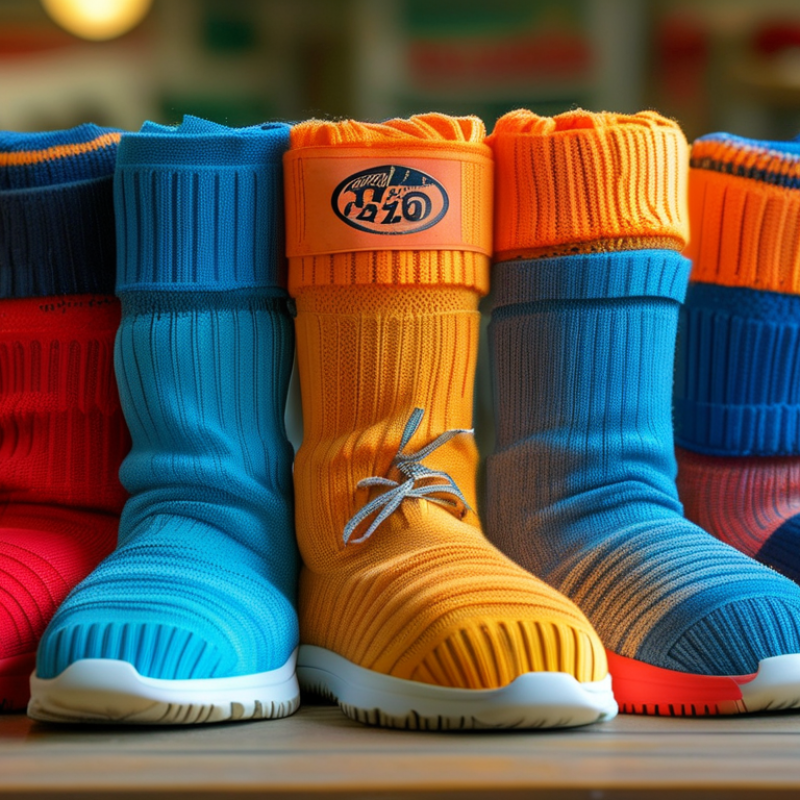
As we approach 2026, the sportswear socks market is evolving rapidly. Eco-friendly materials are becoming standard. Consumers are more aware of sustainability. This trend is pushing manufacturers to innovate. Breathable fabrics and moisture-wicking properties will also gain traction. Performance is prioritized, especially among athletes.
Tips for Buyers: Look for socks made from recycled materials. They can provide comfort and support, while also being eco-conscious. Check for features like arch support and cushioning, which can enhance performance.
Smart technology is creeping into sportswear. Some socks now feature built-in sensors. These can track foot health and performance metrics. However, the reliability of this technology is still under review. Not every product on the market meets high standards. Always research before purchasing to ensure quality and effectiveness.
Tips for Buyers: Always read customer reviews. They can offer insights into product performance. Pay attention to the size guide. A well-fitting sock can make a considerable difference in comfort during activities.
The sportswear socks market is poised for significant growth in 2026, driven by increasing consumer demand for comfort and performance. According to recent industry reports, the global sports socks market is projected to reach $5 billion by 2026. This indicates a CAGR of approximately 6.5% from 2021 to 2026. The rise in health awareness among consumers fuels this demand.
As fitness and wellness trends continue to permeate daily life, more people are prioritizing quality sportswear. The market for specialized socks, including compression and moisture-wicking varieties, is expanding rapidly. In addition, emerging athletes and fitness enthusiasts seek innovative designs that enhance performance. Reports suggest that premium prices attach to such specialized products.
Challenges persist in meeting diverse consumer preferences. Trends can be fickle, and what is popular today may not last. Sustainability concerns also play a growing role in purchasing decisions. Brands are under pressure to innovate responsibly, using eco-friendly materials. This evolving landscape emphasizes the importance of adaptability in the sportswear socks market. It is fascinating to observe how the industry responds to these nuanced demands over the next few years.
| Category | Sales Projections (in Millions USD) | Growth Rate (%) | Market Share (%) |
|---|---|---|---|
| Athletic Socks | 450 | 8.5 | 30 |
| Compression Socks | 300 | 12.0 | 20 |
| Running Socks | 350 | 10.0 | 25 |
| Trekking Socks | 200 | 6.5 | 15 |
| Training Socks | 250 | 9.0 | 10 |
In 2026, sportswear sock preferences will be shaped by several key features. Comfort tops the list. Consumers seek socks that feel great, whether they're running, cycling, or lifting weights. The right cushioning can make a significant difference. Additionally, moisture-wicking fabrics are becoming more essential. Keeping feet dry helps maintain performance and prevent blisters.
Durability also plays a crucial role. Buyers want products that last, even after frequent use. High-quality materials that withstand wear and tear are attractive. Breathability is another factor. Socks that promote airflow prevent overheating, making workouts more enjoyable. Some users may still struggle with finding the right fit. Brands must address these concerns thoughtfully.
Lastly, versatility matters. Socks designed for various activities appeal to a broader audience. As people become more active, they want multifunctional products. However, the challenge lies in balancing performance with style. Design elements must not compromise functionality. Emphasizing these features will create a more reliable and sought-after product in the sportswear market.
As we approach 2026, eco-friendly practices in sportswear socks are gaining attention. Consumers demand products that align with their values. Sustainable materials are at the forefront of this trend. Organic cotton, recycled polyester, and bamboo fiber are becoming popular choices. These materials reduce environmental impact and offer comfort and breathability.
Manufacturers are rethinking their production processes, yet challenges remain. The balance between sustainability and performance is not easy. Some eco-friendly socks may lack durability or elasticity. Testing these options becomes crucial for buyers. Transparency in sourcing is key, but not all brands provide clear information. It's essential for consumers to question production practices.
Adopting sustainable practices requires collaboration among brands, suppliers, and consumers. While the industry is moving forward, there are areas needing improvement. Lifecycles of products must be considered. How can socks be recycled effectively? Addressing these questions will be vital for a greener future in sportswear socks. Progress is being made, but a lot more needs to happen.
In 2026, the sportswear socks market is set for significant evolution. Key players are focusing on innovative materials and designs to suit diverse athlete needs. Breathability and moisture-wicking properties are becoming essential features. Advanced knitting technology allows for targeted support in high-impact areas. This blend of functionality and comfort is crucial for consumers.
Competition is fierce among global manufacturers. Many companies are investing in sustainable practices to appeal to environmentally conscious buyers. However, not all brands are making the necessary changes. Some rely heavily on traditional production methods, which may be less appealing. A commitment to eco-friendly practices can boost a brand’s credibility. Nevertheless, challenges remain in sourcing sustainable materials that meet quality standards.
Differentiation through unique designs is another strategy. Many brands are experimenting with colors and patterns to capture attention. Yet, it is vital to balance style with functionality. Oversights can lead to discomfort during physical activities. Brands must stay attuned to athlete feedback to refine their offerings. Engaging with the community can foster loyalty and trust.
: Eco-friendly materials are becoming standard in sportswear socks. Recycled materials are highly recommended.
Comfort is crucial for performance. The right cushioning significantly enhances the experience during activities.
Look for features like arch support, cushioning, and moisture-wicking properties to boost performance.
Smart technologies in socks track health metrics. Their reliability is still under review; research is essential.
Customer reviews provide insights into performance. They help in making informed purchasing decisions.
Finding the right fit can be challenging for some users. Brands need to address sizing concerns more effectively.
Breathable socks prevent overheating. They enhance comfort during workouts, making them more enjoyable.
Buyers want socks that last through frequent use. High-quality materials are necessary to withstand wear and tear.
Balancing performance with style poses a challenge. Design elements must not compromise functionality.
Versatile socks for various activities appeal to active consumers. They seek multifunctional products for different sports.
As the demand for sportswear socks continues to rise, 2026 is poised to showcase significant trends and growth within the industry. An analysis of the market reveals promising sales projections, underscored by an increased focus on key features that cater to diverse consumer preferences. Comfort, durability, and performance-enhancing technologies are at the forefront, driving choices for sports enthusiasts worldwide.
Sustainability is also becoming a crucial factor, with eco-friendly materials and environmentally responsible practices gaining traction among consumers. As global competitors innovate and strategize to capture market share, the sportswear socks segment is set to evolve, reflecting broader lifestyle shifts towards health, fitness, and environmental consciousness. The future of sportswear socks thus promises a blend of advanced functionality and sustainable practices, appealing to an ever-growing audience of conscious consumers.