The demand for Organic Socks has surged in recent years, as consumers increasingly prioritize sustainability. According to a report by Grand View Research, the global organic textiles market is projected to reach USD 25.4 billion by 2025, with organic socks playing a crucial role in this growth. This shift reflects a broader trend toward eco-friendly apparel, making it critical for buyers to find reliable suppliers.
China leads in textile production, providing numerous options for global buyers. The top suppliers specialize in organic materials such as cotton and bamboo, which are cultivated without harmful chemicals. Reports indicate that organic cotton production has increased by 20% annually, highlighting its rising popularity. However, not all suppliers maintain high standards, necessitating careful selection to ensure quality and sustainability.
For buyers, selecting the right supplier is essential. The wrong choice can lead to subpar products and a tarnished brand reputation. Evaluating certifications, production processes, and environmental impact is crucial. While the market offers many choices, diligence in supplier selection often reveals hidden challenges and opportunities for growth in the organic socks niche.
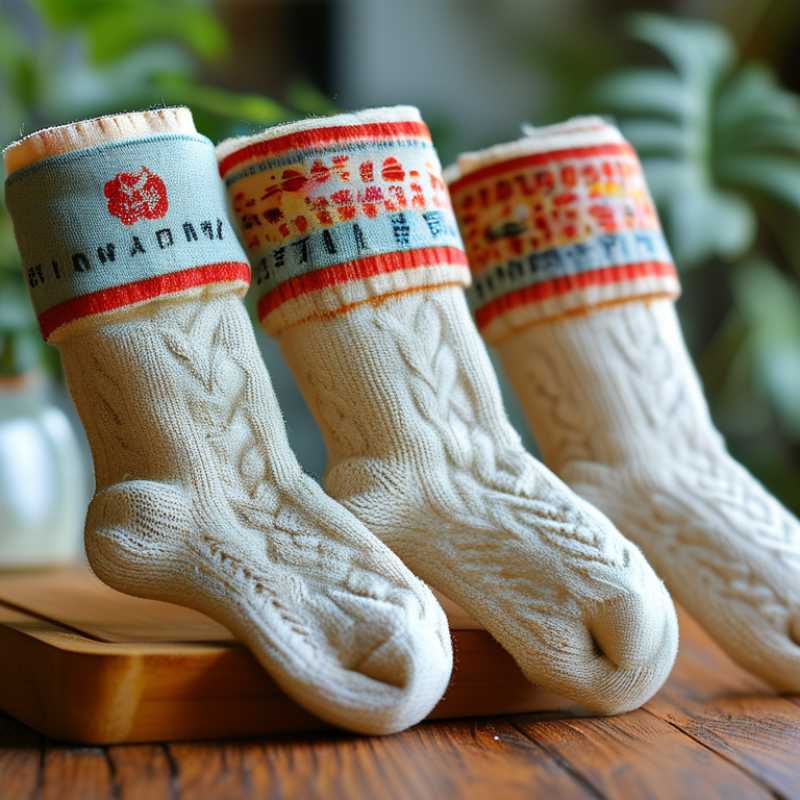
Overview of the Organic Socks Market in China
The organic socks market in China has seen significant growth in recent years. According to a market research report by Statista, the global organic textile market reached approximately USD 18 billion in 2022, with projections indicating it will continue to expand. Manufacturers in China provide a variety of organic sock options, leveraging eco-friendly materials to meet the rising demand. This trend aligns with consumer preferences for sustainability.
China's production capabilities are noteworthy. The country is the largest textile manufacturer globally. Cotton production and organic certification processes have improved, leading to higher quality standards. However, challenges exist. Not all manufacturers adhere to rigorous certification. A report from Textile Exchange notes that only 36% of the cotton produced in China is certified organic. This raises questions about the reliability of available options for buyers.
Sustainability in the sock sub-sector also means exploring innovative practices. Many factories invest in reducing water waste and energy consumption. Yet, some still rely on outdated methods, hindering progress. Buyers must critically evaluate suppliers, ensuring they align with both quality and ethical standards. This ongoing evaluation is essential for fostering genuine long-term partnerships in the organic textile landscape.
Criteria for Selecting Top Organic Socks Suppliers
When choosing organic socks suppliers in China, buyers should focus on several key criteria. The production capacity of suppliers is crucial. Reports indicate that the global organic textiles market is projected to grow by 9.4% annually from 2021 to 2028. Suppliers with higher output can better meet the increasing demand for organic socks.
Quality certification is another vital factor. Look for suppliers who have certifications like GOTS (Global Organic Textile Standard) and OEKO-TEX. This ensures the materials are safe and eco-friendly. A study published in "Textile Economics" noted that 70% of consumers prioritize sustainable materials.
Sustainable practices in manufacturing should not be overlooked. Eco-friendly processes significantly enhance a supplier's reputation. Suppliers that implement energy-efficient methods or use recycled packaging often receive higher scores in buyer evaluations. However, some suppliers may still rely on traditional practices, which can raise concerns over authenticity and sustainability claims. Therefore, due diligence in supplier assessments is essential to ensure reliability.
Top 10 Organic Socks Suppliers in China for Global Buyers
| Rank |
Supplier Type |
Materials Used |
Certifications |
Minimum Order Quantity |
Lead Time |
| 1 |
Manufacturer |
Organic Cotton |
GOTS |
500 pairs |
30 days |
| 2 |
Exporter |
Bamboo Fiber |
OEKO-TEX |
300 pairs |
20 days |
| 3 |
Wholesaler |
Recycled Polyester |
RCS |
100 pairs |
15 days |
| 4 |
Distributor |
Hemp |
USDA Organic |
200 pairs |
25 days |
| 5 |
Manufacturer |
TENCEL™ Lyocell |
ECOCERT |
400 pairs |
35 days |
| 6 |
Wholesaler |
Organic Wool |
Global Organic Textile Standard |
150 pairs |
40 days |
| 7 |
Exporter |
Organic Linen |
Fair Trade Certified |
100 pairs |
18 days |
| 8 |
Distributor |
Organic Cashmere |
ISO 9001 |
250 pairs |
30 days |
| 9 |
Manufacturer |
Organic Bamboo |
GOTS, OEKO-TEX |
600 pairs |
20 days |
| 10 |
Exporter |
Organic Silk |
Global Organic Textile Standard |
300 pairs |
45 days |
List of the Top 10 Organic Socks Suppliers in China
When looking for organic sock suppliers in China, several factors play a crucial role. Quality, sustainability, and ethical practices are paramount. Many manufacturers focus on using eco-friendly materials like organic cotton and bamboo. These materials offer comfort and durability while reducing environmental impact.
Not all suppliers meet high standards. Some may lack certifications or transparency. It’s essential to vet suppliers carefully. Look for companies that have been in business for several years. Customer reviews can provide insights into their reliability and product quality.
Networking with industry professionals can also help in finding trustworthy suppliers. Using trade shows and online platforms allows buyers to explore diverse options. Remember, building relationships takes time. Choose suppliers that are willing to communicate openly and address concerns promptly. This approach will foster a more reliable partnership in the long run.
Top 10 Organic Socks Suppliers in China - Supply Capacity
This chart illustrates the monthly supply capacity of the top organic socks suppliers in China, measured in thousands of pairs. Each bar represents a different supplier, showcasing the potential output to meet global demand.
Key Features and Benefits of Each Supplier
When sourcing organic socks from China, buyers often seek suppliers who prioritize quality and ethical practices. Many suppliers offer a variety of materials, ensuring comfort and durability. Look for those that use certified organic cotton or bamboo for added sustainability. The production process should be transparent, allowing buyers to verify the organic status of products.
Tips: Always request samples before placing large orders. This provides an opportunity to assess both the quality and fit of the socks. Pay attention to packaging as well. Eco-friendly packaging can enhance the overall appeal of the products in your market.
Additionally, evaluate the suppliers' commitment to social responsibility. Some focus on fair wages and safe working conditions for their workers. This not only supports ethical manufacturing but also reflects positively on your brand image. Remember, not all suppliers have perfect records. Some may lack proper certification, which can raise concerns.
Tips: Conduct thorough research and read reviews about potential suppliers. Engagement in local trade shows can also yield valuable insights and connections. Be cautious of suppliers that offer incredibly low prices; this may indicate compromised quality or unethical practices.
Future Trends in the Organic Socks Industry in China
The organic socks industry in China is experiencing significant growth. More consumers are becoming environmentally conscious. This shift drives demand for sustainable products. Organic socks, made from eco-friendly materials, fit this trend perfectly. The appeal lies not just in comfort but also in environmental impact.
As the market expands, suppliers need to stay adaptable. Innovations in materials and manufacturing processes are crucial. Many manufacturers are exploring natural dyes and renewable fibers. While this is promising, some challenges remain. Quality control can vary, and sourcing reliable materials is essential. Suppliers must develop strong relationships with farmers and producers.
Tips for buyers: Look for certifications. This ensures that products meet organic standards. Additionally, communication with suppliers helps clarify their practices. Some suppliers may need help with transparency. Verify their claims to avoid potential issues. Lastly, be open to feedback. The industry is evolving, and adapting soon will yield benefits for the future.
Conclusion
The organic socks market in China is rapidly growing, driven by increasing consumer demand for sustainable and eco-friendly products. In selecting top organic socks suppliers, global buyers should consider factors such as product quality, certifications, manufacturing capacity, and customer service. The article provides a comprehensive list of the top 10 organic socks suppliers in China, highlighting the key features and benefits of each supplier, including their commitment to sustainability and innovative production techniques.
Looking ahead, the future trends in the organic socks industry suggest a shift towards greater personalization and advanced materials that enhance comfort and durability. As consumer awareness of environmental issues continues to rise, the organic socks market is expected to expand, presenting lucrative opportunities for suppliers and buyers alike. Overall, the emphasis on organic socks aligns with global efforts towards sustainability and responsible consumption.

 Cmax Textile