Sourcing Unique Socks wholesale in 2026 requires more than finding colorful patterns online. Buyers need products that look distinctive, feel comfortable, and arrive consistently. The right supplier should explain fiber content, sizing, production capacity, and quality controls clearly. These details protect your margins and support trustworthy customer claims. They also reveal whether a factory understands fashion retail or simply copies temporary trends.
A practical sourcing process begins with a focused product brief. Describe the target customer, preferred materials, seasonal colors, packaging needs, and expected order volume. Request physical samples before discussing large quantities. Check the stitching around the toes, elastic recovery, print alignment, fabric softness, and washing performance. A sock may look impressive in a product photograph. It may feel disappointing after one wash. I once underestimated packaging durability during supplier evaluation, and that mistake created unnecessary warehouse work. Small oversights become expensive quickly.
Reliable sourcing also depends on transparent communication and documented standards. Ask for business credentials, factory information, production timelines, inspection procedures, and applicable textile safety documentation. Compare at least three suppliers instead of choosing the lowest quotation. Price matters, but so do consistency, response speed, and responsible manufacturing practices. No supplier is perfect. Your checklist may need revision after every sample round. Keep those lessons. A strong wholesale partnership develops through evidence, honest questions, and measured improvement. When buyers combine creative design with disciplined verification, Unique Socks can become a repeatable retail opportunity rather than a short-lived novelty.
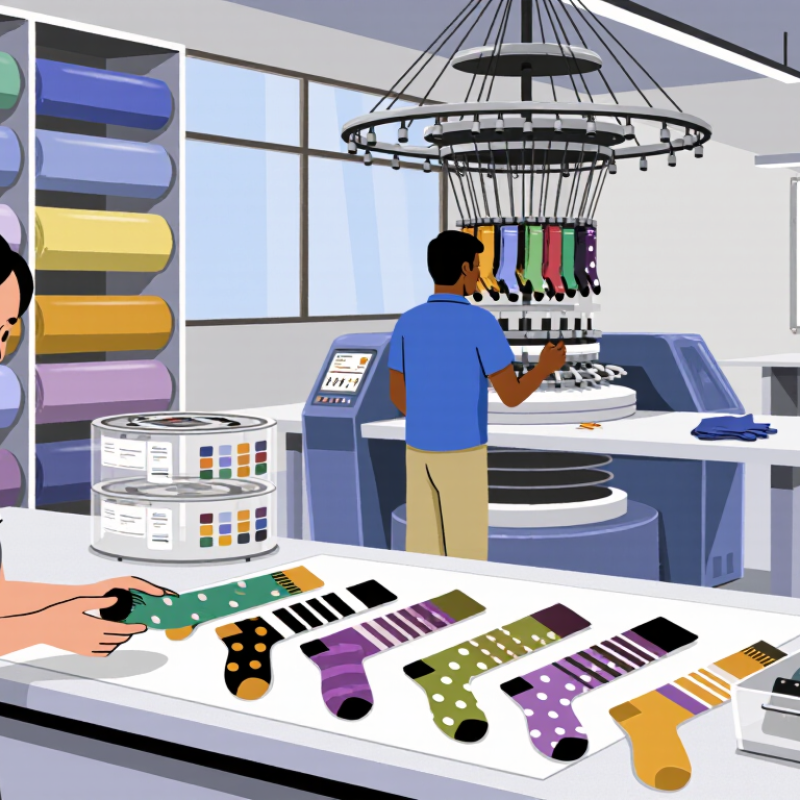
In 2026, unique wholesale socks mean more than bright colors or unusual patterns. They should offer a clear reason for retailers to choose them. In my sourcing experience, buyers notice comfort, construction, packaging, and reliable delivery before novelty. A sock with a smooth toe seam, shaped heel, and breathable yarn can feel distinctive on a crowded shelf.
Material transparency now matters. Suppliers should explain fiber content, yarn origin, dyeing methods, and care requirements clearly. Recycled fibers, organic materials, and durable blends may add value, but only when their claims are supported by credible documentation. Request test reports, production samples, and factory quality records. Do not rely on attractive catalog photos.
Practical design also creates uniqueness. Consider temperature-control panels, cushioned soles, grip details, wide sizes, or patterns inspired by local culture. Small-batch color development can help a retailer look different without creating excessive inventory. Low minimum orders are useful, but they may increase unit costs. That trade-off needs honest calculation. A supplier offering many options is not automatically reliable. Check sample consistency, stitching after washing, carton labeling, and response times. Some “unique” concepts fail during production. That is worth admitting. The best wholesale sock is distinctive, wearable, and repeatable—not merely difficult to manufacture.
| Uniqueness Dimension | What Makes It Unique | Practical Wholesale Benchmark | How to Verify It | Suitable Retail Positioning |
|---|---|---|---|---|
| Traceable Materials | The supplier can identify the fiber composition and provide documentation for recycled, organic, or responsibly sourced fibers. | Fiber composition should match the product specification and applicable textile-labeling requirements in the target market. | Review fiber-content labels, transaction certificates, test reports, and chain-of-custody documents where applicable. | Sustainable basics, conscious retail, and premium everyday wear. |
| Recycled-Fiber Content | Post-consumer or pre-consumer recycled fibers are incorporated into the sock rather than relying only on virgin fibers. | Ask for the exact recycled percentage by fiber type instead of using a general “eco” claim. | Check a valid scope certificate or product certificate from an accepted certification system and compare it with the bill of materials. | Eco-focused collections and environmentally themed seasonal assortments. |
| Functional Fiber Blend | The blend is selected for a clear purpose, such as moisture management, softness, durability, warmth, or temperature regulation. | The product brief should state each fiber percentage and connect the blend to a measurable performance claim. | Request laboratory results for moisture management, abrasion resistance, pilling, dimensional stability, or colorfastness. | Outdoor, travel, workwear, sports, and comfort-focused product lines. |
| Advanced Construction | Features such as seamless toes, reinforced heels, cushioned soles, arch support, or targeted ventilation improve use performance. | Every construction feature should be visible in a pre-production sample and listed in the technical specification. | Inspect samples inside and out; confirm stitch quality, reinforcement zones, fit, and wash-test results. | Performance footwear, long-wear essentials, and premium comfort collections. |
| Distinctive Knit Structure | A ribbed, textured, jacquard, terry, mesh, or engineered knit creates a recognizable appearance or function. | Specify the knit structure, sock height, yarn type, gauge, and target weight before requesting quotations. | Compare approved samples with the specification and measure dimensions after washing. | Fashion basics, elevated casualwear, and curated multi-pack assortments. |
| Custom Artwork and Patterning | Original artwork, engineered motifs, color blocking, or limited-edition patterns create differentiation beyond standard solids. | Confirm repeat size, color count, placement, artwork ownership, and whether the design is exclusive to the buyer. | Approve digital artwork, knitted samples, color standards, and a written exclusivity or usage agreement. | Gift shops, lifestyle stores, private-label capsules, and seasonal launches. |
| Inclusive Size Range | The collection accommodates more foot sizes and clearly communicates size intervals instead of relying on one generic size. | Request a size chart with foot-length or regional size references and confirm grading between sizes. | Measure samples against the approved size chart and conduct fit checks across the intended size range. | Inclusive apparel, family retail, comfort products, and direct-to-consumer assortments. |
| Low-Impact Dyeing and Finishing | The manufacturing process addresses restricted chemicals, dye safety, water use, or wastewater management. | Require compliance with the chemical and product-safety rules of the destination market. | Review restricted-substance test reports, colorfastness results, and relevant facility or process certifications. | Responsible sourcing programs and premium basics with verified claims. |
| Durability and Repairability | Reinforced wear zones, durable yarns, and replaceable or recyclable packaging support longer product use and lower material waste. | Set acceptance criteria for abrasion, pilling, seam strength, shrinkage, and colorfastness before production. | Use an independent laboratory or agreed internal test method and retain a sealed reference sample. | Workwear, uniforms, travel essentials, and value-through-longevity products. |
| Packaging Differentiation | Compact, recyclable, reusable, or plastic-reduced packaging improves shelf presentation and supports easier logistics. | Define packaging material, dimensions, labeling, barcode requirements, and packaging-to-product ratio. | Approve a packaging prototype and verify material declarations and shipping-carton specifications. | E-commerce, giftable products, subscription boxes, and low-waste retail concepts. |
| Small-Batch Customization | The supplier can develop custom colors, patterns, labels, or packaging without requiring an oversized initial order. | Request written minimum-order quantities separately for development, color changes, packaging, and production. | Obtain a formal quotation showing sample charges, tooling or setup costs, lead time, and reorder conditions. | Independent retailers, test launches, event merchandise, and limited collections. |
| Supplier Transparency | A reliable supplier provides consistent specifications, realistic lead times, clear quality controls, and traceable production information. | Compare at least three written quotations using the same specifications, delivery terms, inspection requirements, and payment conditions. | Check factory or facility documentation, production samples, quality records, references, and pre-shipment inspection procedures. | All wholesale channels, especially private-label and repeat-order programs. |
Note: Wholesale benchmarks are practical sourcing guidelines rather than universal industry requirements. Final specifications should be confirmed against the destination market, product category, testing method, order quantity, and supplier quotation.
Unique socks combine comfort, useful features, and repeatable production. A smooth toe seam and shaped heel create noticeable value. Bright colors alone are not enough.
Review fiber content, yarn origin, dyeing methods, and care instructions. Recycled or organic fibers need credible documentation. Request test reports and production samples.
Consider cushioned soles, breathable panels, grip details, wide sizing, or locally inspired patterns. Small-batch colors can reduce excess inventory. Practical designs often sell better.
Specify the pattern, fiber blend, size range, cuff height, and target customer. Include packaging requirements and color references. Keep everything written down.
Photos may hide loose threads, weak elastic, and uneven colors. Wash the samples and inspect the stitching afterward. Store lighting can change color perception.
Compare consistency, communication speed, production capacity, and quality-control procedures. Price matters, but late goods can damage your margin. A cheap order can become expensive.
Calculate manufacturing, packaging, freight, duties, inspection, and possible defects. Confirm minimum quantities and sampling fees. Small orders may cost more per pair.
Final photos cannot replace carton inspections. Randomly count pairs by size before shipment. I once trusted a photo too much. Uneven stitching delayed delivery, and seasonal demand still sometimes surprises me.
Sourcing Unique Socks wholesale in 2026 requires more than choosing colorful patterns. Buyers should first define what makes a sock distinctive, such as original artwork, limited-edition themes, functional details, sustainable materials, or customizable packaging. Reliable sourcing begins with suppliers that can provide clear product information, consistent communication, design flexibility, and evidence of stable production capacity. Comparing cotton blends, recycled fibers, knitting techniques, durability standards, minimum order quantities, and total wholesale costs helps buyers balance creativity with profitability.
Before placing a large order, request samples to evaluate comfort, sizing, stitching, color accuracy, and packaging quality. Supplier certifications, factory documentation, customer reviews, and transparent business terms can further reduce purchasing risks. A profitable order should include realistic sales forecasts, carefully calculated shipping and import expenses, quality-control checkpoints, and a clear agreement on delivery schedules and defect handling. By combining distinctive design selection with careful supplier verification and disciplined inventory planning, retailers can build a dependable wholesale collection that attracts customers and supports healthy margins.

 Cmax Textile