In the realm of fashion and comfort, "No Show Socks" have gained popularity. They offer a sleek appearance while providing essential foot protection. Many people crave the minimalist style these socks offer, especially when wearing sneakers or loafers. Yet, comfort is equally important. The right pair can prevent blisters and keep feet dry.
Choosing "No Show Socks" requires careful consideration. Some brands use high-quality materials, while others may compromise comfort for style. A sock slipping off the heel can ruin a day. Many users have had mixed experiences, which highlights the importance of finding a trusted brand.
While some may find "No Show Socks" perfect for casual outfits, others argue they lack support. The challenge lies in balancing aesthetics with functionality. Even the most stylish options may leave room for improvement. Users should explore various choices to discover their ideal match.
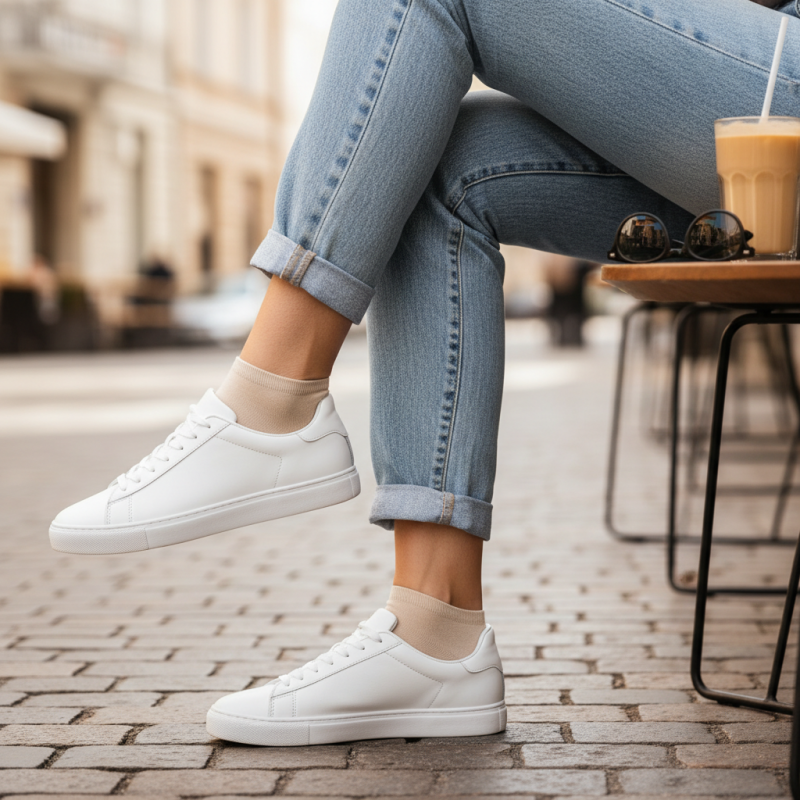
No show socks are gaining popularity for good reason. They offer a unique blend of comfort and style. Many people struggle with traditional socks slipping down. This constant readjustment can be frustrating. No show socks eliminate that problem while providing excellent foot coverage. They stay hidden beneath footwear, making them perfect for various styles.
Comfort is a key factor in choosing no show socks. The materials used are typically soft and breathable, enhancing wearability. This is especially true in warm weather when sweat can be an issue. However, not all no show socks fit snugly. Some might slip off during the day, causing discomfort. Ensuring a proper fit is essential for optimal enjoyment.
Style also plays a significant role in footwear decisions. No show socks can be worn with sneakers, loafers, or flats, making them versatile. They allow for a polished look while keeping feet comfortable. Yet, some designs may not suit everyone’s personal style. Choosing the right pair can sometimes feel overwhelming. It’s important to express individuality while embracing practicality.
The trend of no show socks has gained remarkable traction in recent years. Market research indicates that the no show sock segment grew by over 15% in 2022. Consumers are increasingly valuing comfort without compromising style. This trend reflects a changing attitude toward footwear, where practicality meets fashion.
According to a survey by the Footwear Distributors and Retailers of America, nearly 70% of participants prioritize comfort when choosing socks. Many report discomfort with traditional socks that show above the shoe line. No show socks offer a solution, enhancing comfort without sacrificing aesthetic appeal. Yet, not all consumers find them effective. Some struggle with slipping or sizing issues. This reveals an opportunity for brands to innovate in design and fit.
The market is evolving, with a growing demand for sustainable materials and ethical production. Consumers are expressing concern about the environmental impact of their apparel choices. The demand for no show socks made from organic fabrics has increased by 30% since 2021. As preferences shift, brands must adapt. The relationship between comfort, style, and sustainability is becoming more intricate. Brands can benefit from acknowledging and addressing these consumer concerns.
| Feature | Percentage of Consumers Preferring | Price Range ($) | Popular Materials |
|---|---|---|---|
| Comfort | 78% | 10 - 30 | Cotton, Bamboo, Polyester |
| Style | 65% | 15 - 40 | Merino Wool, Lycra |
| Durability | 72% | 12 - 35 | Nylon, Spandex |
| Functionality | 85% | 10 - 25 | Silicone, Moisture-Wicking Fabric |
| Trends | 60% | 5 - 50 | Eco-friendly Materials |
When comparing no show socks to traditional sock styles, comfort and style come into play. No show socks offer a sleek, minimalist appearance. They provide coverage without the bulk, making them ideal for wearing with loafers or flats. The soft, breathable material adds comfort, ensuring you can wear them all day without irritation.
However, traditional socks have their own charm. They often come in various lengths and patterns, allowing for expression. Cotton blends can keep feet warm in colder climates. Still, some find them too warm for summer wear. No show socks can slip off or bunch up, which may lead to frustration. For users who prioritize function, traditional styles might be more reliable.
Ultimately, the choice depends on personal preferences and contexts. Some may find that they love the casual look of no show socks. Others might appreciate the practicality of traditional options. Every style has its pros and cons. It’s worth experimenting to find what fits best for your lifestyle.
No show socks have gained popularity for their blend of comfort and style. The materials used in their construction play a pivotal role in their performance. High-quality no show socks often utilize blends of nylon, cotton, and spandex. These materials provide a snug fit while allowing breathability. A study by the Textile Research Journal indicated that socks made from these blends can enhance moisture management, keeping feet dry for extended periods.
While comfort is crucial, durability should not be overlooked. Research reveals that the use of synthetic fibers like nylon increases the longevity of no show socks. According to a report from the American Journal of Sports Medicine, athletes often choose synthetic blends due to their resistance to wear and tear. However, the environmental impact of synthetic materials raises concerns. The reliance on petrochemicals puts a strain on ecological resources.
Moreover, the fitting and grip of no show socks are vital. Many socks incorporate silicone grippers to prevent slippage. However, some users report discomfort from these grippers. It highlights an essential aspect of material science: balancing comfort and functionality. This balance can be challenging but is crucial for achieving the best experience.
No show socks have gained popularity as a fashionable choice, particularly among younger demographics. However, their impact on foot health requires careful consideration. A study by the American Podiatric Medical Association highlights a key issue: wearing socks that do not provide full coverage may lead to blisters and skin irritations. This is due to the friction between bare skin and footwear. Comfort should not come at the cost of potential discomfort.
In terms of wellness standards, proper foot hygiene is essential. A report from the Journal of Foot and Ankle Research indicates that wearing breathable materials can reduce moisture buildup. No show socks made of synthetic fibers may trap sweat, creating an environment for bacterial growth. Foot health professionals often recommend socks that offer moisture-wicking properties to maintain foot hygiene.
Another factor involves fit. Ill-fitting no show socks may slide off the heel, creating a distraction while walking or running. Research from the National Foot Health Assessment shows that 68% of participants reported foot discomfort related to sock design. While no show socks can enhance style, one must weigh their comforts, such as fit and fabric choice, against their potential to negatively affect foot health.
: No show socks are designed to stay hidden beneath footwear. They offer comfort and style without visible sock lines.
Many prefer them for comfort while maintaining a polished look. They eliminate the annoyance of traditional socks slipping down.
Common materials include nylon, cotton, and spandex. These blends ensure a snug fit and good breathability.
Not always. Some no show socks may slip off, causing discomfort. Finding the right fit is crucial for enjoyment.
They can be paired with various footwear like sneakers and flats. However, some designs might not suit everyone's personal style.
Yes, high-quality blends can enhance durability. Yet, reliance on synthetic fibers raises environmental concerns.
Breathable materials help manage moisture and keep feet dry. However, some may still struggle with sweat.
They help prevent slipping but can cause discomfort for some wearers. The balance between comfort and functionality is challenging.
Yes, many consumers now prefer socks made from sustainable materials. This trend reflects growing environmental awareness.
No Show Socks have emerged as a popular choice for those seeking both comfort and style in footwear. With a growing market trend, consumers are increasingly favoring these socks for their discreet design and versatility, allowing for a seamless look with various shoe styles. A comparative analysis reveals that No Show Socks often outperform traditional sock styles in terms of comfort and fit, making them a go-to option for many.
Examining the materials used in No Show Socks, advancements in fabric technology have led to the development of breathable, moisture-wicking options that enhance overall foot health and wellness. By providing adequate support and protection without compromising aesthetics, No Show Socks are redefining the way we perceive functional yet fashionable footwear.