Colorful Socks have emerged as a vibrant trend across the globe. The appeal lies not just in their hues, but also in their ability to express individuality. Each pair tells a story, reflecting personal taste and style. As consumers embrace unique fashions, Colorful Socks give them a platform for self-expression.
The rise of social media has further magnified this trend. Influencers showcase their colorful choices, encouraging followers to adopt similar styles. These socks foster a sense of community among wearers. They often spark conversations, creating connections based on shared interests.
However, trends can be fleeting. It's essential to consider the impact of fast fashion on sustainability. As Colorful Socks gain popularity, mindful purchasing becomes crucial. Are we choosing style over substance? This question lingers as we navigate the vibrant world of fashion.
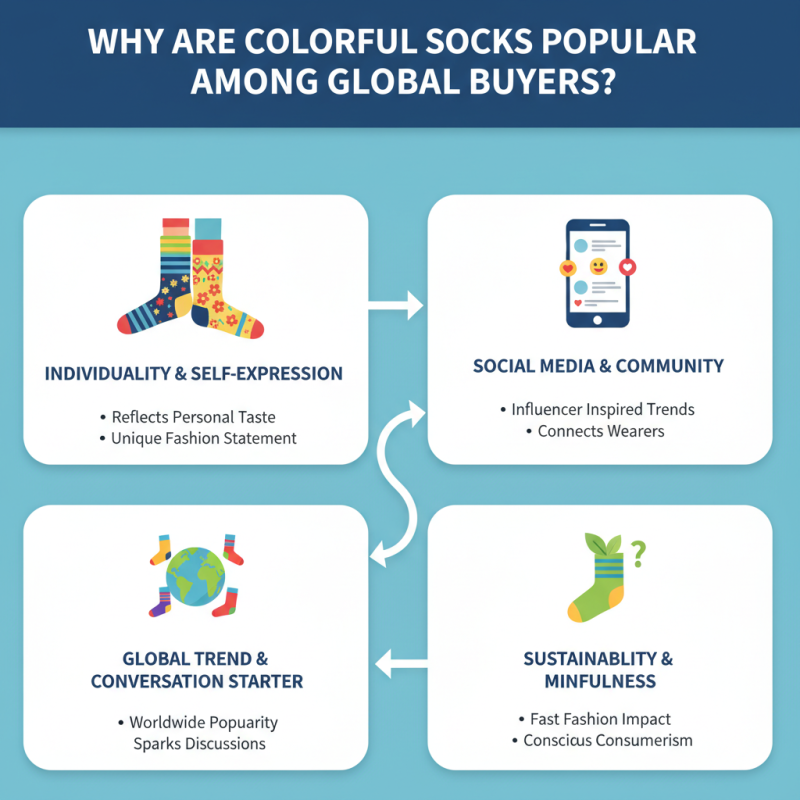
Colorful socks have taken center stage in global fashion trends. The vibrant patterns and hues attract attention like never before. People now choose socks as a medium for self-expression. Neon colors, quirky designs, and playful graphics fill wardrobes. This trend symbolizes a shift away from traditional attire. It reflects a desire for creativity and individuality.
Social media plays a vital role in this rise. Influencers showcase colorful socks in their outfits. They inspire followers to embrace bold choices. These socks are not just accessories; they are conversation starters. They break the monotony of everyday wear. However, some question the sustainability of this trend. Fast fashion may lead to excessive waste. It’s essential to reflect on where these products come from. Quality over quantity should always be considered.
The surge in colorful socks could also reflect changing moods in society. After years of uncertainty, people crave joy in their clothing. These socks bring a sense of fun and lightness. They echo a collective wish to brighten daily life. Yet, it is crucial to choose wisely. Consider the environmental impact and opt for brands that prioritize ethical production. This way, the colorful sock trend can continue to flourish responsibly.
Colorful socks have emerged as a global fashion statement, transcending mere functionality to embody cultural significance. In various cultures, colors symbolize different emotions and social statuses. For example, in many African traditions, vibrant colors are worn during celebrations, showcasing joy and unity.
In Japan, colorful patterns on socks represent youthfulness and creativity, reflecting the wearer's personality.
According to a report by the Global Fashion Alliance, the colorful sock market has grown by 35% over the past five years. This rise in popularity is not just about aesthetics but also about self-expression. Consumers have shifted towards products that reflect individuality. Socks, often hidden from view, have become a subtle yet powerful medium for identity.
Yet, the proliferation of colorful socks prompts reflection on sustainability. Many fashion enthusiasts enjoy the diversity but overlook the environmental impact of fast fashion. The demand for unique designs results in increased production and waste. Striking a balance between personal expression and ecological responsibility remains a challenge in the colorful sock trend.
The rise of colorful socks is closely tied to social media influence. Platforms like Instagram and TikTok are now fashion authority hubs. A recent report indicates that about 74% of consumers are influenced by social media when making purchases. Colorful socks have become a statement piece, allowing wearers to express their individuality.
Social media provides a visual platform where fashion trends can spread rapidly. A survey by the Global Fashion Institute found that colorful socks are featured in 43% of sock-related posts. Users showcase unique patterns and daring colors. This visibility attracts younger consumers who seek authenticity and creativity.
Engagement on these platforms often reflects an aspiration for uniqueness. However, there can be a superficial element. Some users may buy colorful socks just for likes rather than personal preference. This phenomenon raises questions about genuine taste versus social media trends. Trends can shift rapidly, possibly leading to a fleeting obsession with colorful socks.
Colorful socks have gained immense popularity among buyers around the world. This trend is rooted in consumer psychology. Bright colors and unique patterns evoke feelings of joy and creativity. They allow individuals to express their personalities in a fun and playful way. For many, socks are no longer just functional items. They have become fashion statements.
Wearing colorful socks can enhance mood. Various studies show that colors like yellow and blue are associated with happiness. Moreover, unique designs can spark conversations. People often notice bold choices. This can lead to connections in social settings. Yet, the allure of colorful socks is not without reflection. Some might question if trends overshadow personal style. Do people wear bright socks to fit in or to be unique? Such inquiries can lead to deeper understanding of one’s fashion choices.
Fashion choices also vary by context. In a conservative environment, stark patterns might not be accepted. This contradiction can create internal conflicts for buyers. Nonetheless, the appeal of colorful socks remains strong. They invite individuality while sparking crucial conversations about self-expression and societal expectations.
Colorful socks are capturing attention worldwide, not just for their vibrant designs but also for the sustainable practices behind their production. According to a 2021 report from the Textile Exchange, the global demand for sustainable textiles is on the rise, with a projected growth rate of over 9% annually. This shift indicates that consumers are increasingly seeking eco-friendly options, influencing sock manufacturers to adopt sustainable materials and processes.
Incorporating organic cotton and recycled fibers is becoming a norm in sock production. Many brands are now using dyes that are less harmful to the environment. However, achieving a balance between vibrant colors and sustainability is challenging. Some dyes still contain chemicals that can negatively impact water sources. Reports show that around 20% of industrial water pollution stems from textile dyeing processes. Finding effective alternatives is crucial for the industry's growth without compromising the planet.
The consumer's role is also evolving. There’s a growing preference for transparency in product sourcing and production. A survey by GlobalData reveals that 66% of consumers are willing to pay more for sustainable products. Yet, this demand presents a dilemma for manufacturers: maintaining affordability while adhering to eco-friendly practices. The journey toward fully sustainable colorful socks is ongoing, reflecting both industry innovation and the need for continuous improvement.
: Colorful socks are popular due to their vibrant patterns. They allow for self-expression and creativity in fashion.
Social media showcases colorful socks prominently. This visibility encourages users to adopt bold styles and express individuality.
Bright colors stimulate joy and creativity. Wearing them can enhance mood and spark social connections.
Yes, some wear them for social media likes, not personal preference. This raises questions about authenticity in fashion choices.
Colorful socks act as fashion statements. They reflect personalities, appealing to those seeking uniqueness and playful expression.
Not necessarily. In conservative settings, bright patterns may not be accepted, causing internal conflicts for buyers.
Consider their environmental impact. Opt for brands that prioritize ethical production to ensure sustainability in this trend.
The rise of colorful socks follows years of uncertainty. People are seeking joy and lightness in their daily attire.
Not always. Trends can influence choices, leading to superficial decisions rather than true personal style.
They can lead to discussions about fashion choices and societal expectations, encouraging a deeper understanding of self-expression.
The popularity of colorful socks has surged within global fashion trends, becoming a vibrant expression of personal style and cultural significance in various societies. From being mere wardrobe staples, colorful socks have transformed into fashion statements that celebrate individuality and creativity. This rise can be linked to the influence of social media, where vibrant visuals have captivated audiences, encouraging buyers to embrace unique styles and designs.
Additionally, consumer psychology plays a crucial role in this trend, as colorful socks evoke positive emotions and convey a sense of fun and freedom. Beyond aesthetics, there is a growing emphasis on sustainable practices in the production and design of colorful socks, appealing to environmentally conscious consumers. This confluence of fashion, culture, and sustainability underscores the enduring appeal of colorful socks in the global market.