How to Choose the Best Baby Socks for Your Newborn?

Time:2026-07-25 Author:Charlotte
0%

Choosing the right Baby Socks for your newborn is essential for their comfort and warmth. Experts emphasize the importance of selecting socks made from breathable materials. Dr. Rebecca Carter, a pediatric specialist, states, “Choosing the right baby socks can impact your child’s comfort and skin health.”

When shopping for Baby Socks, parents must consider fabric quality, size, and design. Socks that are too tight can restrict circulation. Those that are too loose may not stay on. Opt for soft cotton or bamboo blends that allow the feet to breathe.

Additionally, it’s crucial to examine the seams and elasticity. Poorly designed seams can irritate sensitive skin. Reflecting on this, new parents often realize their sock choices affect not just warmth but also mobility and overall happiness. A thoughtful approach to Baby Socks is more than just a fashion choice; it directly influences a baby's well-being.
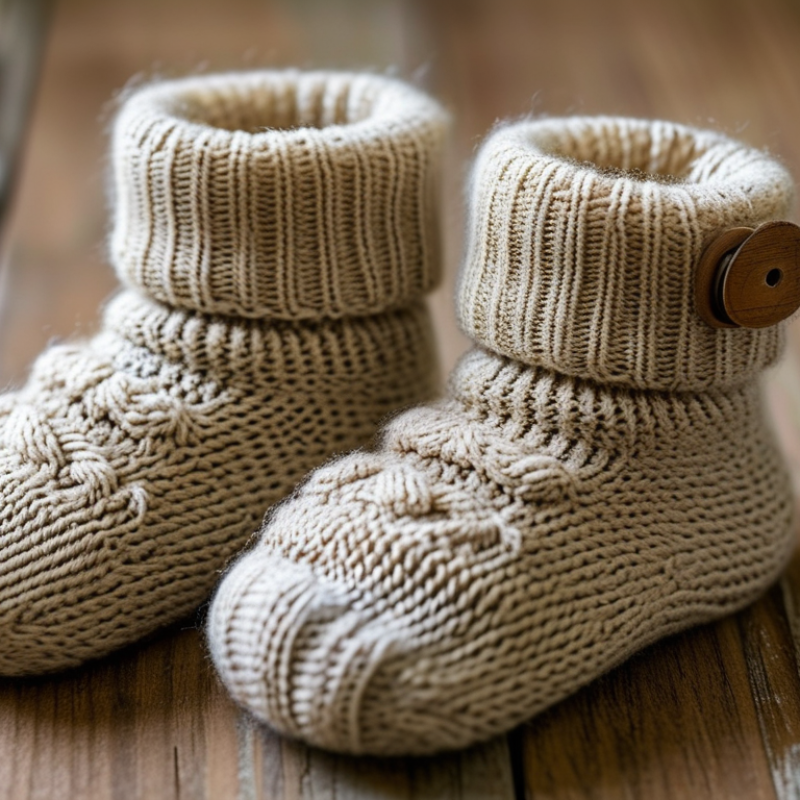
How to Choose the Best Baby Socks for Your Newborn?

How Baby Socks Impact Newborn Foot Development

Choosing the right baby socks is crucial for newborn foot development. Experts suggest that proper footwear can influence their comfort and movement. A study published by the American Pediatric Medical Association emphasizes that well-fitting socks can help prevent developmental issues. Infants need support as they strengthen their foot muscles.

The material of socks is important too. Natural fibers allow for breathability, reducing moisture buildup. Cotton and bamboo are good choices. Synthetic materials can cause irritation. A report from the Footwear Science journal states that socks should fit snugly without being too tight. This balance encourages healthy circulation and movement.

Parents should pay attention to design. Non-slip features can prevent slipping as babies learn to crawl. Some socks even have gentle arch support, which aids in muscle development. However, the wrong type can restrict movement. It's essential to ensure that socks allow for natural foot flexibility. Keeping this in mind can greatly enhance a newborn's foot health in their formative years.

Impact of Baby Sock Materials on Foot Development

This chart illustrates the comfort levels of various baby sock materials, which can affect newborn foot development. Higher comfort levels are essential for optimal growth and development during the early stages of life.

Key Materials: What Fabrics Are Safest and Most Comfortable for Baby Socks

Choosing the right fabric for baby socks is essential for comfort and safety. Cotton is a popular choice due to its breathability. It helps keep tiny feet dry by absorbing moisture. Look for organic cotton options, as they are gentler on delicate skin. This is especially vital for newborns, who have sensitive skin.

Wool blends can also be beneficial. They offer warmth without overheating. However, some babies may be allergic. Always check for wool sensitivity before purchase. Bamboo is an emerging favorite, known for its softness and antibacterial properties. It is also eco-friendly, which can be a plus for parents who value sustainability.

When selecting baby socks, avoid synthetic materials. They may cause irritation or rashes. Ensure the socks fit well. Loose socks can slip off, while tight ones may restrict circulation. Aim for a snug, secure fit. Remember, the best socks should support healthy foot development. Always test new fabrics on your baby for any reactions.

Sizing Socks: Understanding Proper Fit for Newborns to Prevent Issues

Choosing the right socks for your newborn is essential for their comfort and development. A proper fit is crucial to avoid issues like blisters or restricted circulation. According to the American Academy of Pediatrics, socks that are too tight can hinder your baby’s movement. Ideally, newborn socks should be snug but not constrictive.

When selecting socks, consider the size chart provided by manufacturers. Babies grow rapidly, and a size that fits now may not fit later. A study from the Journal of Pediatric Research indicated that nearly 30% of parents underestimated their child's sock size. This can lead to discomfort and difficulty in grasping for your baby.

Look for socks made from breathable materials. Cotton blends are often recommended for newborns. The fabric should allow for moisture-wicking to keep tiny feet dry. While it may be tempting to buy a size up for longevity, this can result in the socks slipping off. In fact, unfit socks can create a safety hazard, as loose socks can get tangled. Pay attention to fit and fabric to ensure your newborn remains cozy and safe.

Breathability and Warmth: Balancing Temperature Regulation in Baby Socks

Choosing the best baby socks for your newborn is not just about style. Breathability and warmth are key factors to consider. Infants have delicate skin that needs proper temperature regulation. Socks that are too thick can cause overheating. Conversely, Socks that are too thin may leave tiny feet chilly.

Look for fabrics like cotton or bamboo that offer breathability. These materials allow air circulation, preventing sweat accumulation. Warmth is vital but should be balanced with comfort. Baby socks should fit snugly without being too tight. This balance ensures that blood circulation remains optimal.

Don’t forget about durability. Babies tend to kick and wiggle, which can wear out socks quickly. Choosing well-made socks with reinforced seams can extend their lifespan. Pay attention to washing instructions as well. Frequent washing can affect the material's integrity. Regular checks for signs of wear and tear are essential for your baby's safety. Always be mindful of how socks impact temperature regulation, especially during different seasons.

Safety Features: Identifying Non-Slip and Chemical-Free Baby Sock Options

When selecting baby socks for your newborn, safety features are crucial. Non-slip options can prevent accidental slips as your baby starts to crawl. Look for socks with rubber grips on the soles. These grips will provide traction on smooth surfaces, reducing the risk of falls.

Tips: Always check the material. Natural fibers like cotton are breathable and gentle on delicate skin. Some synthetic materials may contain harmful chemicals. Avoid socks with added dyes or fragrances for a safer choice.

Chemical-free options are widely available. Look for certifications that guarantee the absence of harmful substances. Labels may indicate the materials used and their safety standards. Be cautious with bright colors and patterns; they might contain unsafe dyes.

Try different styles to see what fits your baby best. Some may prefer thicker, warmer socks, while others might like lighter options. Gauge your baby’s comfort and adjust as needed. Remember, not every sock will be perfect. It's okay to make mistakes and learn what works best for your little one.

How to Choose the Best Baby Socks for Your Newborn? - Safety Features: Identifying Non-Slip and Chemical-Free Baby Sock Options

Sock Type Material Non-Slip Feature Chemical-Free Price Range (USD)
Cotton Socks 100% Organic Cotton Yes Yes 10-15
Bamboo Socks Bamboo Fiber Blend Yes Yes 12-18
Wool Socks Merino Wool No Yes 15-25
Silicone-Base Socks Silicone Yes No 8-12
Cotton Blend Socks Cotton/Spandex Yes No 10-14

FAQS

: Why are baby socks important for foot development?

: Properly fitting socks support comfort and movement, which are vital for strengthening foot muscles.

What materials are best for baby socks?

Natural fibers like cotton and bamboo are breathable and comfortable. They help prevent moisture buildup.

Are synthetic materials safe for baby socks?

It's best to avoid synthetic materials as they can cause irritation and rashes on sensitive skin.

How should baby socks fit?

Socks should fit snugly without being tight, allowing for healthy circulation and movement.

What features should I look for in baby socks?

Non-slip grips on the soles are important to prevent slipping as babies start crawling.

Can all babies wear wool blends?

Wool blends are warm, but some babies may be allergic. Always check for sensitivity.

How can I ensure my baby's safety with socks?

Choose chemical-free options and look for certifications that guarantee materials are safe.

How do I find the right style for my baby?

Try different styles to see what fits best. Adjust based on your baby's comfort and preferences.

What should I do if my baby reacts to a fabric?

Test new materials cautiously and discontinue use if any irritation occurs. It's a learning process.

Can the wrong socks cause issues for my baby?

Yes, improper socks can restrict movement and hinder natural foot flexibility. Careful selection is essential.

Conclusion

Choosing the best baby socks for your newborn is crucial for promoting healthy foot development. Baby socks can greatly impact how well a baby's feet grow, and it’s important to select those made from safe and comfortable materials. Opt for fabrics that are gentle on delicate skin while also providing adequate breathability to manage temperature. Sizing is another critical aspect; ensuring a proper fit prevents discomfort and potential issues like slipping or constriction.

Additionally, safety features such as non-slip bottoms can help prevent falls as your baby becomes more active, while seeking out chemical-free options can safeguard against irritants. Balancing warmth and breathability in baby socks is essential for keeping little feet cozy without overheating. By focusing on these key factors, parents can make informed decisions when selecting baby socks for their newborn, ensuring both comfort and safety.


Charlotte

Charlotte

Charlotte is a seasoned marketing professional with a deep understanding of the company's portfolio and a passion for elevating its presence in the market. With a keen eye for detail and a commitment to excellence, she ensures that our professional blog is regularly updated with insightful articles......