The global women's socks market has been experiencing robust growth, reflecting changing fashion trends and consumer preferences. In 2022, the market reached a valuation of approximately $8 billion, with projections estimating a compound annual growth rate (CAGR) of 5.5% from 2023 to 2030. This surge signifies the increased interest in stylish yet functional footwear accessories among women worldwide. Numerous reports indicate that factors like comfort, material quality, and design are driving sales.
China stands out as a major supplier of women's socks, offering diverse options that cater to various markets. Factors such as competitive pricing and advanced manufacturing techniques give Chinese manufacturers an edge. However, the industry's reliance on fast fashion raises concerns about sustainability. As global consumers become more mindful about their purchases, brands must reflect on their production practices.
While numerous brands excel in the women's socks segment, not all meet the rising standards for quality and innovation. Buyers often grapple with discerning which products deliver both style and comfort. They need to understand the balance between cost and quality. This makes choosing the best women's socks a thoughtful process rather than a straightforward one.
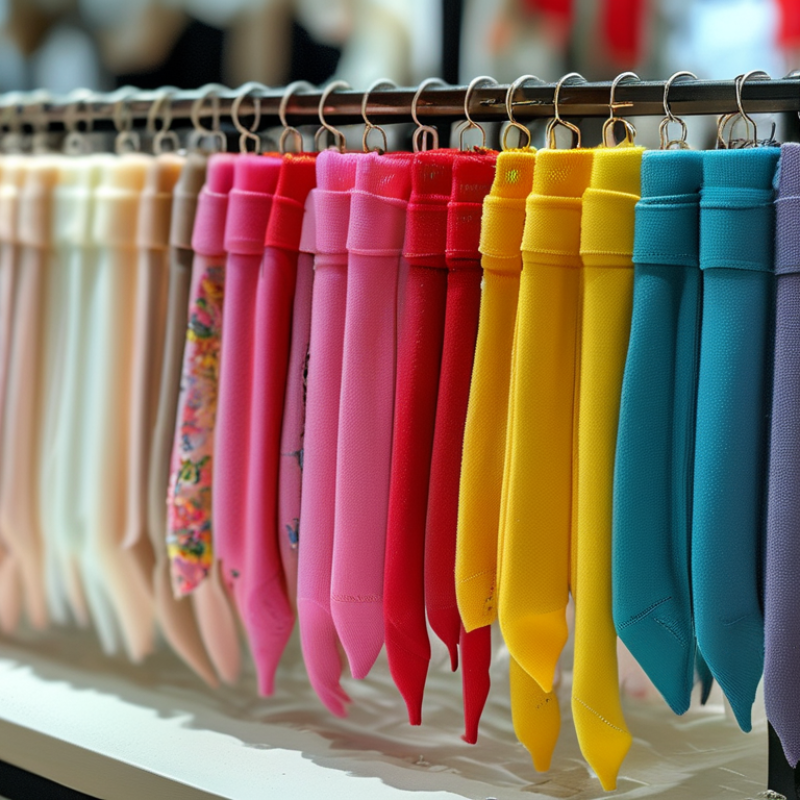
China is renowned for its diverse manufacturing regions, specializing in women's socks. These areas have developed unique expertise in textile production. They incorporate various materials, including cotton, wool, and synthetic fibers. Such diversity helps meet global demands.
Jiangsu and Zhejiang provinces lead in manufacturing. They have advanced facilities and skilled labor. Workers often undergo specialized training to improve production quality. However, some factories face scrutiny for their working conditions. This aspect of the industry raises questions about ethical practices.
Socks from China can exhibit a blend of style and comfort. Certain regions focus on fashion trends, while others prioritize durability. Yet, not every product meets high standards. Buyers must conduct thorough research. Identifying reputable suppliers is crucial. Sustainable practices are becoming more important in sourcing materials. These factors significantly impact global buyer decisions.
When selecting women's socks, certain features stand out. Comfort and fit are paramount. Socks should be made from breathable materials to enhance the overall wearing experience. Cotton blends often deliver this breathability. A report by the Global Textile Alliance highlights that 72% of consumers prioritize comfort when shopping for socks.
Another essential feature is moisture-wicking technology. This helps to keep feet dry and reduces odor. In fact, studies show that socks integrated with moisture-wicking fabric reduce foot sweat by 35%. This is particularly beneficial for active individuals. Reinforced toes and heels can also extend the life of the socks, ensuring durability in daily use.
Tips: Always check the sock's cushioning. Proper cushioning can prevent blisters during long wear. Pay attention to the sock's height too; crew socks provide more coverage while ankle socks may offer better ventilation. An effective sock not only fits snugly but also complements your lifestyle needs. Reflecting on your sock drawer can provide insights into what features resonate best with you.
When it comes to women’s socks, material choice plays a crucial role in comfort and durability. Many popular options include cotton, wool, and synthetic blends. Cotton is soft, breathable, and ideal for everyday wear. Wool provides excellent insulation, making it great for colder seasons. Synthetic materials add stretch and moisture-wicking properties, enhancing overall performance.
Tips: Look for socks with blended materials that combine the best of these elements. Blends often provide better elasticity and durability than pure materials. This balance can increase lifespan and comfort.
Additionally, think about your daily activities. If you stand for long hours, consider thicker socks that offer cushioning. On the other hand, lightweight options can be perfect for sports. While many prefer the feel of cotton, some may find synthetic socks more effective for gym sessions. It’s important to try different types to find what works best for you. Each type has unique benefits that cater to different needs.
| Material | Comfort Level | Breathability | Durability | Price Range (USD) |
|---|---|---|---|---|
| Cotton | High | Excellent | Moderate | 3 - 10 |
| Wool | Very High | Good | High | 5 - 15 |
| Polyester | Moderate | Fair | Very High | 2 - 8 |
| Nylon | High | Good | High | 3 - 12 |
| Bamboo | High | Excellent | Moderate | 4 - 14 |
When examining global market trends for women's socks, one finds an exciting and evolving landscape. Women today seek comfort and style in their sock choices. This demand has spurred innovation in materials and designs. Eco-friendly options are gaining traction, appealing to environmentally conscious consumers. Brands must adapt to these shifts to remain relevant.
Tips: Consider the fabric. Cotton blends offer breathability while synthetic fibers increase durability. Check for cushioning features; they enhance comfort through all-day wear. Custom designs can capture individual styles, making a strong statement.
The global market also reflects a growing interest in performance socks. Many women participate in sports, requiring specialized options. Compression socks for athletes or cozy options for lounging fulfill diverse needs. However, a downside exists; not all products meet the promised benefits.
Tips: Research before buying. Reviews can guide you toward quality socks. Look for local makers, as they often balance tradition and innovation. Remember that fit is essential; socks that slide or constrict will undermine your comfort.
When exploring the women's sock market in China, several prominent brands emerge as leaders. According to industry reports, the demand for high-quality women's socks has surged significantly. In 2021, the global women's sock market was valued at approximately $3.7 billion, with projections indicating a growth rate of over 5% annually. This reflects a burgeoning interest in stylish and functional socks among women.
The leading brands in China focus on using advanced materials. Many incorporate moisture-wicking technology, which enhances comfort. On the other hand, some brands struggle with consistency in size and fit. This inconsistency can affect customer satisfaction significantly. Additionally, embracing sustainable materials is a growing trend. Reports show that nearly 30% of consumers prefer eco-friendly products, pushing brands to rethink their sourcing strategies.
Despite these advancements, there are challenges. Quality control remains a critical issue for some manufacturers. Inconsistent production practices can lead to inferior products. Moreover, the fast-paced nature of fashion trends complicates long-term planning. Brands must adapt swiftly to remain relevant. Understanding consumer preferences is vital, but it’s another area where many brands need improvement. Balancing innovation with reliability will be key for continued success in this competitive market.
: Popular materials include cotton, wool, and synthetic blends. Each offers different benefits for comfort and durability.
Cotton is soft, breathable, and ideal for daily wear. It provides great comfort for long hours.
Wool offers excellent insulation, keeping feet warm in colder seasons. It's a cozy option for winter.
Synthetic materials provide stretch and moisture-wicking properties. They enhance performance for active wearers.
Consider your activities. Thicker socks offer cushioning for standing, while lightweight options are better for sports.
Look for socks with padding for all-day comfort. This can make a significant difference in wearability.
Yes, eco-friendly options are gaining traction among consumers who prioritize sustainability in their purchases.
Research helps you find quality products. Reviews can reveal how well socks perform and fit.
Inconsistent size and fit can lead to customer dissatisfaction. Quality control is often a critical challenge.
The fast-changing nature of fashion complicates long-term planning for brands. They must adapt quickly to stay relevant.
The article "Top China Best Women's Socks for Global Buyers" explores the dynamic landscape of women's socks manufacturing in China. It highlights key regions renowned for producing high-quality women's socks, showcasing their advanced manufacturing techniques and textile innovations. The article emphasizes essential features that buyers should consider, including comfort, durability, and style, ensuring that the products meet consumer expectations.
Additionally, popular materials used in women's socks are discussed, such as cotton, wool, and synthetic blends, catering to various preferences and needs. The global market trends indicate a growing demand for fashionable and functional women's socks, reflecting lifestyle changes and sustainability concerns among consumers. This summary encapsulates the vital aspects of women's socks in China, providing valuable insights for global buyers seeking quality options.