Winter can be brutal, especially for our feet. The right socks in winter can make a significant difference. Research shows that thermal socks can retain up to 30% more heat than regular socks. This information highlights the importance of selecting the best winter socks for maximum warmth and comfort.
Experts recommend materials such as merino wool and synthetic blends to ensure insulation and moisture-wicking capabilities. Studies from the Textile Research Journal note that moisture retention can lead to cold feet, and the proper socks can combat this. However, many still choose cotton socks, which trap moisture and lead to discomfort. It’s a common mistake that can turn an enjoyable winter outing into a cold nightmare.
The market is flooded with options, which can be overwhelming. Decisions should be based on reliable customer reviews and expert recommendations. Not all brands deliver the promised warmth. Consideration of sock thickness, fit, and breathability is crucial. Navigating these choices requires diligence and reflection on personal comfort needs.
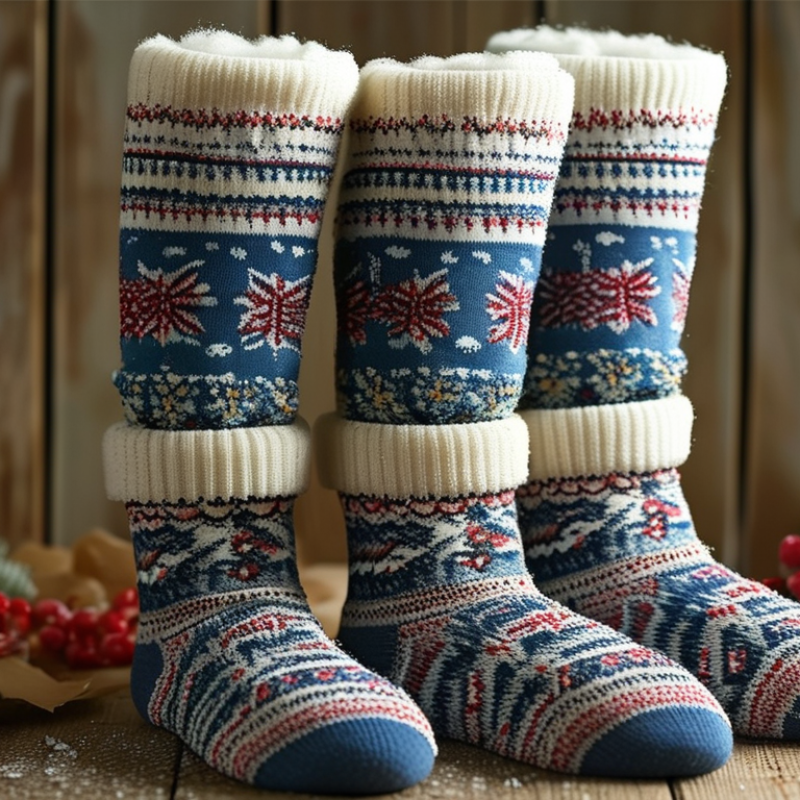
Best Materials for Winter Socks: Wool, Synthetic, and Blends
When choosing the best materials for winter socks, three main options stand out: wool, synthetic fibers, and blends. Wool is renowned for its insulation qualities. A study from the Textile Research Journal shows that wool can retain heat even when wet. Its natural moisture-wicking properties keep feet dry and warm, making it a superior choice for cold weather.
Synthetic materials, like acrylic and polyester, are lightweight and durable. They often dry faster than wool and provide adequate warmth. According to the American Journal of Sports Medicine, synthetic fabrics can also enhance breathability, helping to regulate foot temperature. However, they may lack the comfort and softness that many seek in winter socks.
Blended socks combine the strengths of both wool and synthetics. These blends can optimize warmth, moisture control, and comfort. It's crucial to consider the ratio of materials. Some blends might not perform well in extreme conditions. Testing various types is essential for finding the right fit for individual needs. Despite the innovation in sock materials, comfort is subjective. What feels great for one person might not work for another.
Best Winter Socks for Ultimate Warmth and Comfort
Thermal Insulation Properties: Understanding TOG Ratings in Sock Design
When choosing winter socks, understanding TOG ratings is essential. TOG stands for "thermal overall grade." It measures a sock's insulation properties.
Higher TOG ratings indicate better warmth retention. You’ll often find socks with TOG ratings ranging from 1.0 to over 3.0. Aim for socks with a higher TOG for colder climates.
Material is another crucial factor. Wool and synthetic blends offer excellent insulation. However, not all wool is created equal. Some may irritate your skin or fail to wick moisture effectively.
Test different materials to find what works for you.
Tips: Look for socks with cushioned soles. This extra padding increases comfort and warmth. Don’t forget about fit.
Socks that are too tight can restrict circulation.
Always check sizing guides carefully. Invest time in selecting the right socks, as comfort can make or break your winter experience.
Moisture-Wicking Technology: Keeping Feet Dry in Cold Conditions
Choosing the right winter socks is crucial for maintaining comfort in cold weather. One key feature to look for is moisture-wicking technology. This type of fabric pulls sweat away from the skin. By keeping your feet dry, it helps regulate temperature. This is especially important during cold, damp days.
When the socks trap moisture, the feet can become cold and uncomfortable. This can lead to health issues, like frostbite, if left unchecked. Quality winter socks should effectively manage moisture. The right pair not only provides warmth but also ensures breathability.
Many believe all socks are created equal. However, not all materials offer the same level of protection. Wool is often praised for warmth, but not all wool blends are moisture-wicking. Users might find a blend that feels good but fails in functionality. Consider experimenting with different fabrics and weights. Finding the perfect match can take time, but your feet will thank you.
Cushioning and Support: Importance of Sock Thickness for Comfort
When it comes to winter socks, the thickness plays a significant role in providing comfort and warmth. Thicker socks often feature added cushioning. This cushioning is essential for absorbing impact and providing support during colder months. Feet can become numb without sufficient insulation, leading to discomfort. Choosing the right thickness can make a notable difference in overall comfort.
Notably, too thick socks can create a cramped feeling inside footwear. This can lead to blisters or pain after extended wear. Finding a balance between warmth and comfort is crucial. Consider layering thinner socks for insulation without sacrificing breathability. Many winter activities require specific sock thickness. Skiing, for example, demands a snug fit to prevent slipping inside boots.
Sock material also influences warmth and comfort. Wool is excellent for thermal regulation. It's breathable and moisture-wicking. However, cotton, while soft, does not provide adequate insulation in cold conditions. Users often overlook how the right combination of thickness, material, and fit can change their winter experience. Reflecting on sock choices can lead to a more enjoyable winter.
Best Winter Socks for Ultimate Warmth and Comfort
| Sock Type |
Material |
Thickness (mm) |
Cushioning Level |
Temperature Rating (°F) |
| Thermal Crew Socks |
Merino Wool |
5 |
Medium |
-5°F to 40°F |
| Heavyweight Boot Socks |
Acrylic Blend |
8 |
High |
-10°F to 30°F |
| Midweight Hiking Socks |
Synthetic |
4 |
Medium |
10°F to 50°F |
| Lightweight Running Socks |
Merino Wool Blend |
2 |
Low |
20°F to 60°F |
| Insulated Snow Socks |
Nylon Blend |
10 |
High |
-15°F to 25°F |
Sizing and Fit: How Proper Fit Affects Warmth and Circulation
When choosing winter socks, the right sizing and fit are crucial. Properly fitting socks boost warmth and improve blood circulation. Ill-fitting socks can lead to cold feet or blisters, significantly hindering comfort.
If your socks are too tight, they may restrict blood flow. Conversely, socks that are too loose can bunch up, causing discomfort.
Consider the materials used in your socks. Wool, for instance, is an excellent insulator. However, if it’s too tight, it loses its effectiveness. It can trap moisture, making your feet cold and damp. Pay attention to the thickness of the socks as well. Thicker socks do not always guarantee better warmth if they don't fit correctly. Aim for a snug fit that supports your foot's shape.
Don't ignore the sock length either. Crew or knee-length styles often provide more coverage. However, the fit at the top matters too. Elastic bands should not dig into your skin. Finding the right balance can take time. Listen to your feet. If you feel discomfort, reassess the size and features of your socks.
FAQS
: TOG stands for "thermal overall grade." It measures how well socks insulate heat.
Higher TOG ratings mean better warmth retention. Socks range from 1.0 to over 3.0 in TOG.
Wool and synthetic blends provide excellent insulation. Test various materials to find the best fit.
It keeps feet dry by pulling sweat away. This helps regulate temperature in cold conditions.
Trapped moisture can make feet cold and uncomfortable. This increases the risk of frostbite.
Yes, a proper fit is crucial. Socks that are too tight can restrict circulation and cause discomfort.
Cushioned soles add extra padding for comfort and warmth. They enhance the overall sock experience.
No, not all wool is equal. Some may irritate skin or lack moisture-wicking properties.
Experiment with different weights and materials. Your perfect match may take some time to discover.
The right socks can greatly affect comfort in winter. A little effort now pays off later.
Conclusion
When considering the best socks in winter, it’s essential to focus on materials, insulation, moisture management, and fit. Wool is a standout choice for winter socks due to its natural thermal properties, while synthetic materials and blends offer durability and additional moisture-wicking capabilities. Understanding TOG ratings can help you gauge thermal insulation, ensuring your feet remain warm in frigid conditions.
Additionally, proper cushioning and support are crucial for comfort; thicker socks generally provide better warmth and protection against the cold. Lastly, achieving the right fit is vital, as it impacts circulation and prevents moisture buildup, ultimately keeping feet dry. By prioritizing these factors, you can select the optimal socks in winter that combine warmth, comfort, and functionality.

 Cmax Textile